

Good morning! Today, we dive into some significant energy-related news.
U.S. power stocks fell sharply recently as Chinese AI start-up DeepSeek raised concerns about the energy needs tied to artificial intelligence. Vistra, GE Vernova, and Constellation Energy were some of the biggest losers on the S&P 500, with their shares dropping over 20%. Investors had previously rushed to invest in power companies, anticipating a surge in energy demand fueled by AI. However, DeepSeek has demonstrated that it can deliver similar AI capabilities with lower energy usage and costs, prompting many to reassess their investments in AI infrastructure.
While there is uncertainty in the U.S. renewables sector, the Middle East is making swift progress, emerging as a prime market for green energy outside of China. This changing energy landscape in the region is very noteworthy.
Turning our attention to Mauritania, the country is setting ambitious goals for its energy future. Recently, gas reserves have sparked interest in boosting investment and propelling economic growth in a nation largely reliant on agriculture.
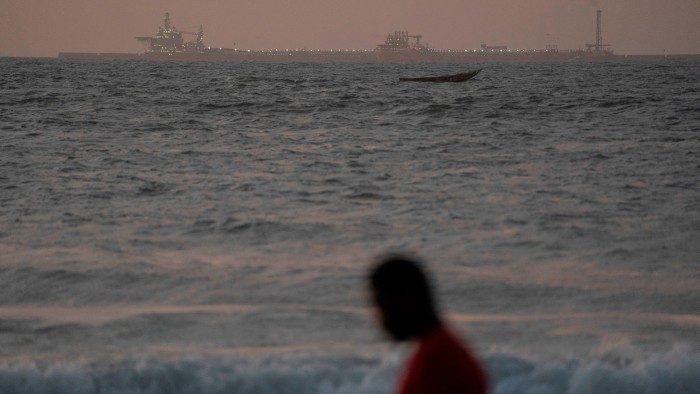
Britain’s BP has initiated gas production from the Greater Tortue Ahmeyim project, a substantial liquefied natural gas field shared with Senegal. This project is critical for both countries, with projected annual production set at 2.3 million tonnes and expected to last for at least 30 years.
As Mauritania’s government eyes economic growth in 2025, it faces challenges such as a downturn in gold and iron ore production. The country is working to attract investors to its oil and gas sector, with hopes that smaller gasfields like Banda can fuel local energy needs.
However, potential hurdles exist. Both countries are reviewing development costs, and tensions between Mauritania and Senegal, linked to historical issues, could pose challenges. Investors’ attentiveness to a functional diplomatic relationship is crucial for navigating these complexities.
Additionally, there’s concern that opportunities could slip away due to political pressures in the U.S. The country’s new shift could see investors focusing domestically rather than exploring prospects in Mauritania.
To draw in investors, Mauritania’s government has been actively participating in energy conferences and reforming its investment approaches. Oil Minister Mohamed Ould Khaled has highlighted tax incentives and stronger protections for international investors to attract capital.
Mauritania has experienced setbacks before, such as earlier oilfield ventures that faced corruption allegations and underwhelming returns. The hope now is that the current gas projects will succeed, marking a new era for the country’s energy future.
Stay tuned for more updates on the developments in global energy.