

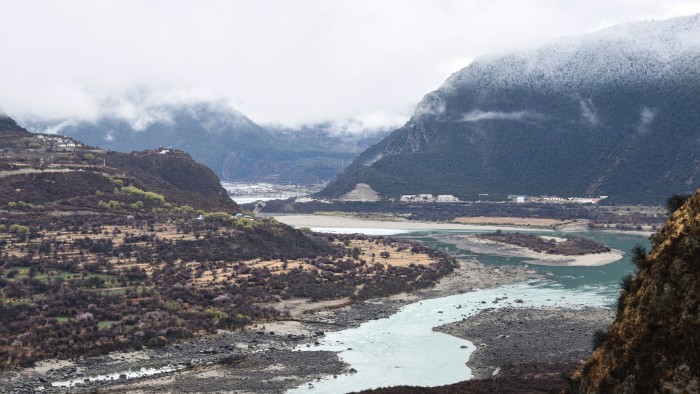
India has raised alarms regarding China’s ambitious plan to construct a dam in Tibet, which is set to be three times larger than the current biggest dam in the world, the Three Gorges Dam. This significant hydropower initiative will be located on the lower stretches of the Yarlung Tsangpo river and is part of China’s broader strategy to boost the share of renewable energy in its power mix, aiming to elevate it from 28.8% in 2020 to 33% this year.
Randhir Jaiswal, from India’s foreign ministry, expressed serious concerns over the project, highlighting the potential ecological disruptions and the neglect of interests from downstream nations.
Tensions over this issue unfold as India and China strive to mend their relations, which have been strained by violent border skirmishes in recent years. In an effort to enhance stability, the two countries reached an agreement last October concerning military patrols along their contentious Himalayan border.
India is particularly worried that the dam, situated in the seismically active region of Tibet, could trigger floods or cause water shortages further down the river. This fear is compounded by concerns that it would tilt the balance of power in any future conflicts between the two nuclear-armed nations.
Shivshankar Menon, a former national security adviser for India, noted the prevailing distrust on both sides, which complicates the geopolitical landscape.
The Yarlung Tsangpo, known as the Brahmaputra in India, is a critical waterway with significant potential for hydropower. The new dam, with a capacity of 60 gigawatts, is located near Arunachal Pradesh, a region claimed by China, enhancing sensitivity surrounding its construction.
Experts caution that the new dam might alter the river’s flow, negatively impacting water availability for essential uses like agriculture and drinking water in India and Bangladesh. However, some, like Barry Sautman from Hong Kong University, argue that Tibet may not be the primary water source for the Brahmaputra.
When China officially announced the dam, officials claimed it would improve the lives of all ethnic groups in Tibet. They have dismissed worries about environmental and water resource impacts, asserting that the project will not harm downstream countries.
Activists have raised alarms about previous dam projects in Tibet, accusing China of serious environmental damage and human rights violations linked to its extensive hydroelectric initiatives.
In response to these developments, India is also moving forward with its dam project, the Siang Upper Multipurpose Project in Arunachal Pradesh, which is planned to be the largest in the subcontinent with an output of 11 gigawatts. Indian officials cite the unpredictable nature of China’s actions as a reason for their own dam’s construction.
The situation remains contentious, with varying opinions on the potential consequences of these developments in the region.