

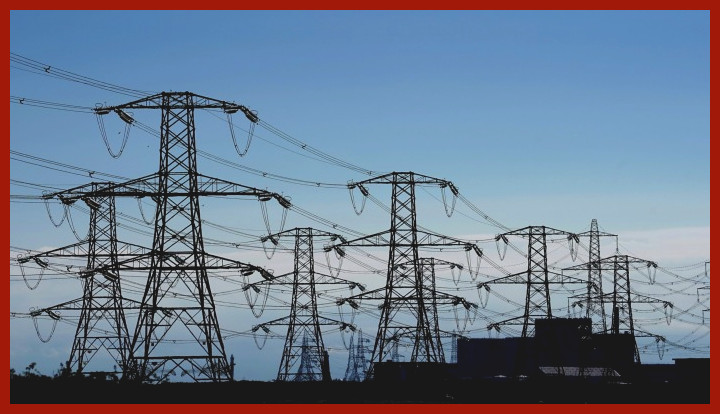
Britain’s electricity transmission network owners have announced plans to invest as much as £77.4 billion from 2026 to 2031. This move is aimed at supporting the UK government’s clean energy goals.
On Wednesday, National Grid, which manages the transmission network for England and Wales, shared its intention to invest up to £35 billion during this period. Meanwhile, ScottishPower Energy Networks, responsible for central and southern Scotland, plans to invest £10.5 billion. SSEN Transmission, which oversees northern Scotland, will spend up to £31.7 billion as well.
This significant increase in investment is crucial for the UK’s ambition to decarbonize the electricity system by 2030. The electricity networks require reinforcement, expansion, and upgrades to effectively transport energy from an increasing number of renewable sources such as wind and solar farms to consumers.
Over the past few years, there has been a substantial backlog of connection requests, raising concerns that limited network capacity is hindering the growth of renewable energy and overall economic development. A recent report indicated that achieving the 2030 goal would necessitate building twice the amount of transmission network in the next five years compared to what was developed in the past decade.
John Pettigrew, CEO of National Grid, characterized these plans as “unprecedented” and noted that they reflect a significant advancement in the electricity network, the likes of which have not been seen in a generation.
However, there are worries regarding the potential impact on consumer energy bills. National Grid estimates that its transmission investment could add around £40 per year to household bills, up from roughly £20 currently. ScottishPower anticipates its plans will raise bills by about £12.07 annually, compared to the current £5.60. It is expected that higher network expenses may be counteracted by decreased compensation payments to power generators during times when the network’s capacity is strained.
In addition to investment discussions, residents in several areas have been protesting against new pylons and electric cables being installed in their communities, which may lead to obstacles for some of these plans.
Nicola Connelly, CEO of ScottishPower Energy Networks, pointed out that this investment could ultimately help stabilize and lower energy bills for consumers over time. As these developments unfold, the government is also set to launch a review of Ofgem, the energy regulator, aimed at enhancing accountability and standards among energy companies.
Finally, the government has expedited its decision regarding the potential support for hydrogen in home heating, which is seen as a lower carbon alternative to conventional gas-fired boilers. While past plans included a 2026 decision post-trials, the current government aims to provide clarity on this matter as soon as possible and will engage in consultations next year.