

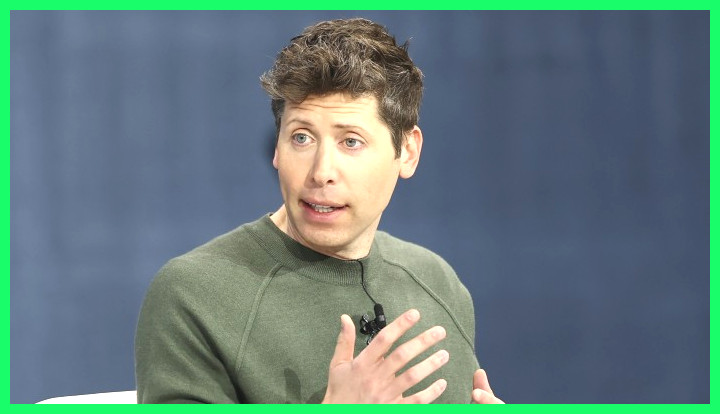
Oklo, a startup focused on nuclear energy and led by OpenAI’s Sam Altman, has made a significant deal to supply power as demand rises in the artificial intelligence sector. The agreement, lasting 20 years, is with Switch Inc., a major player in data center operations. It involves constructing reactors capable of producing up to 12 gigawatts of power, enough to supply around 7.6 million households in New York.
Oklo claims this deal could be one of the largest clean energy agreements ever, although it remains non-binding, and the company’s technology is still years away from being operational. Jacob DeWitte, Oklo’s co-founder and CEO, mentioned that if the terms become binding, the agreement could potentially be worth billions.
This contract is part of a growing trend between nuclear energy companies and the tech industry, as the rapid expansion of AI creates an urgent need for reliable, low-carbon energy sources. Oklo is focusing on small modular reactors, which are advanced nuclear plants with a capacity of 300 megawatts or less—about one-third of standard nuclear facilities.
Big tech companies have started to invest in these smaller reactors, believing they can provide sufficient energy for their AI systems, even though no Western firm has successfully implemented this technology yet. DeWitte argues that nuclear energy is the only sustainable solution to meet the high energy requirements of AI, dismissing concerns about nuclear risks given its stringent regulations.
He explained that the energy demands we face are unprecedented and that relying solely on renewable sources would necessitate substantial backup systems. Oklo plans to deploy its first 15MW reactor by late 2027 at the Idaho National Laboratory. Other nuclear companies in the U.S., such as X-energy and Kairos Power, have recently entered similar agreements with tech giants like Amazon and Google for low-carbon energy.
Microsoft has also signed a power deal related to the Three Mile Island nuclear plant in Pennsylvania, showcasing the increasing collaboration between tech and nuclear sectors. Adam Stein, a director at The Breakthrough Institute, believes these agreements can build investor confidence in the emerging nuclear industry.
However, some analysts express doubts regarding the viability of these nuclear startups. Edwin Lyman, from the Union of Concerned Scientists, points out that the agreements so far lack the significant financial commitments necessary to transform these ambitious projects into reality.
While nuclear energy is low in carbon emissions, critics still highlight the challenge of radioactive waste disposal, which needs long-term management.
Switch, which operates large data centers powered by renewable energy in places like Nevada, Texas, and Atlanta, will require Oklo to build many small reactors across the U.S. to meet the full demands of its contract. Oklo is currently valued at around $2.2 billion and has attracted investments from tech figures including Altman and Peter Thiel. Chris Wright, nominated by Donald Trump for the role of U.S. energy secretary, is a board member but plans to resign if confirmed.