

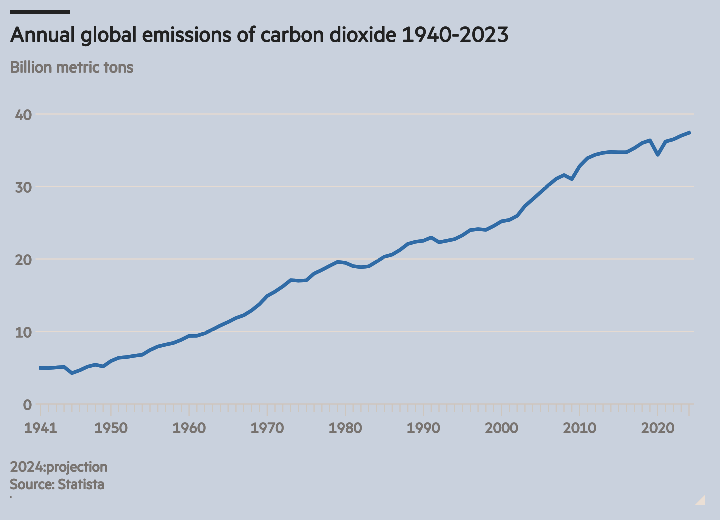
Looking towards 2025, there’s a sense of concern regarding climate change. Recent discussions at COP29 in Baku have dampened hopes for a collective global effort to tackle this immense issue. With Donald Trump potentially regaining the presidency in the U.S., worries about the future of green technologies are growing. As carbon emissions continue to increase, the path to transitioning to cleaner energy seems increasingly unclear.
Despite these challenges, there is some positive news. Many green technologies have become more affordable than traditional fossil fuels. In Europe, the cost of solar energy has dropped to around $64 per megawatt-hour, according to estimates from WoodMackenzie. This makes generating electricity from solar power much cheaper than from natural gas. Additionally, as interest rates decline, this trend is expected to favor renewables even more.
While renewable energy systems, like solar and wind, can be cost-effective under ideal conditions, they do come with extra expenses. To manage periods when there’s not enough sunlight or wind, batteries and additional infrastructure are needed. However, systems with around 60% renewable energy can still be more economical compared to fossil fuels. In sunny regions, the ideal renewable mix can be even higher.
A recent failed auction for offshore wind energy in Denmark—where wind already plays a significant role in power production—indicates that some nations may be nearing economic limits in their renewable efforts. However, there’s still considerable potential for growth in many other areas.
In India, electricity demand is poised to increase drastically by 2060, primarily supported by renewables, according to Debabrata Ghosh from Aurora Energy. Meeting this demand will require a significant investment but will incur minimal running costs. Conversely, expanding coal power capacity would require substantial upfront and ongoing expenses.
Nonetheless, it’s crucial to recognize that economic feasibility doesn’t guarantee action. Governments need to engage by organizing auctions with long-term contracts that aid developers in securing funding and enhancing grid infrastructure.
Transitioning to cleaner electricity alone isn’t sufficient for achieving climate targets. For most industries and air travel, greener solutions generally remain more costly compared to traditional methods. Although there are promising developments in climate technologies, a comprehensive move towards net-zero emissions will require renewed collaboration among policymakers.