

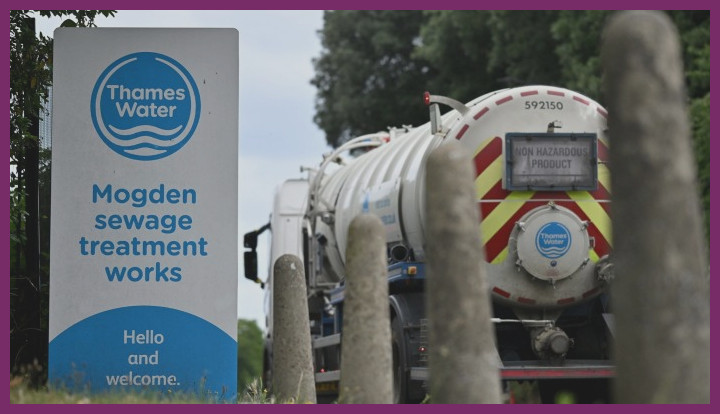
Thames Water is in a tough spot, warning its bondholders that their actions could push the UK’s largest water company into a dangerous situation. They are trying to secure an emergency loan of £3 billion. The company made it clear that if the junior bondholders attempt to present a competitive loan proposal in court, it could trigger a significant default on its £19 billion in debts.
In a letter to the bondholders, Thames Water explained that such a default would severely restrict its ability to invest in necessary infrastructure improvements and could lead the company to violate environmental regulations. If this happens, the board might reconsider continuing talks with regulators about entering temporary nationalisation, which is known as the special administration regime.
Special administration would mean government oversight of the utility, allowing it to prioritize essential infrastructure improvements over negotiations with creditors. There is growing pressure for Thames Water to move into this regime so it can focus on necessary repairs and restructuring.
In the same correspondence, Thames Water expressed that the junior bondholders’ plans present a serious risk of “irreversible jeopardy” to the company and its stakeholders. Despite the turmoil, Thames Water reassured that there is no immediate danger to its services while the loan negotiations are ongoing, even if a move to special administration occurs.
The company’s management has already agreed to a loan from its top bondholders as a last resort to avoid re-nationalisation. Thames Water, which provides services to 16 million customers in London and surrounding areas, has been struggling with a massive debt load. Without this financial support, the company faces running out of funds as early as March.
In addition to the loan, Thames Water acknowledged its mounting expenses concerning advisory and legal fees, hoping this loan would provide them with the necessary time to attract new investors.
However, some bondholders are pushing back against the current loan terms, which carry a high-interest rate of 9.75%. They want to propose a more affordable option and plan to argue their case in court soon regarding the newer loan.
The competing loans would impact the hierarchy of Thames Water’s existing debts. Those involved in the discussions believe it’s essential to secure their position against losses should the company undergo restructuring. One bondholder accused Thames Water of trying to intimidate them with threats of special administration.
While the alternative loan might be cheaper, Thames Water raised concerns about the practical challenges of implementing this option due to potential objections from senior creditors. They also noted that their current loan agreement has already secured protections against a default scenario, which could be at risk if the deal with the junior bondholders takes priority.
The loan with the senior bondholders also includes terms aimed at retaining key management members, although specific details are yet to be finalized. Thames Water remains optimistic about its plans to work with lenders who have previously offered interest rate swaps, ensuring support in court.
In summary, Thames Water is focused on overcoming its financial hurdles and believes that a solution led by the market will ultimately benefit customers and stakeholders alike.