

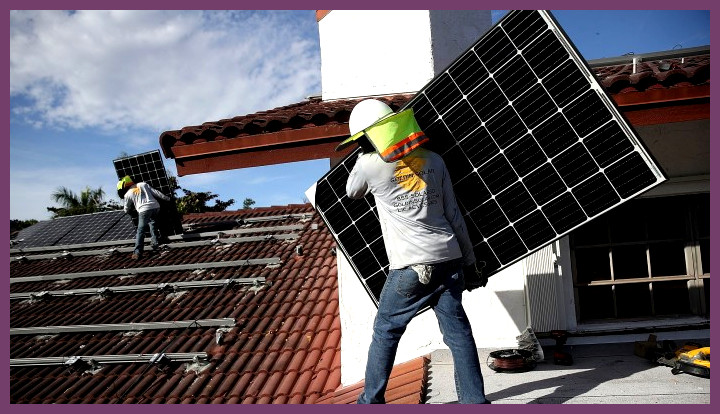
In the lead-up to the U.S. general election, JD Vance, who is running alongside Donald Trump, criticized Vice President Kamala Harris for the administration’s energy policies. Vance noted that these policies have led to the U.S. depending too much on imported clean technology. He emphasized, “We need to manufacture more solar panels here in the U.S.”
Interestingly, as Vance raises these points, there seems to be a shift happening in solar panel production domestically. This newsletter will explore the current state of U.S. solar manufacturing and what it means for future growth.
In related news, the impact investing sector continues to grow, but it still represents a small part of the asset management landscape. Can it expand significantly while also providing solid returns along with social and environmental advantages? This topic is discussed in our new in-depth report.
Solar Energy: Analyzing the Surge in U.S. Solar Panel Production
Since the introduction of the Inflation Reduction Act, there has been increased focus on whether it can help the U.S. reduce its dependence on foreign clean energy technology. A recent report from Wood Mackenzie and the Solar Energy Industries Association indicates promising developments. This year, solar manufacturing in the U.S. has reached a milestone, with the assembly of panels approaching levels capable of satisfying domestic demand.
American solar module factories, when operating at full capacity, can produce nearly 40 gigawatts of energy annually—enough to power around 8 million homes. BloombergNEF forecasts that U.S. solar installations could reach 50 gigawatts this year, with 9.3 gigawatts of new manufacturing capacity added in the third quarter of 2024 alone, thanks in part to First Solar opening a significant factory in Alabama.
However, there’s a notable distinction between producing high-tech solar cells and the easier task of assembling these cells into modules. Jenny Chase, a lead solar analyst at BloombergNEF, points out that U.S. facilities still largely rely on imported solar cells from Southeast Asia.
This year, the U.S. did restart the production of solar cells for the first time since 2019, with companies like Georgia’s Suniva ramping up output to eventually produce 1 gigawatt annually. While other manufacturers are planning to open solar cell factories in the U.S. to support local module factories, the process may be slow. The Solar Energy Industries Association stressed in their report that constructing new plants could take years, although they project that by 2028, the U.S. will have over 90 gigawatts of cell capacity.
On the installation front, however, growth is stalling due to supply chain issues and delays in connecting to the grid. The report predicts that over the next five years, annual growth rates will remain steady at about 2%. The potential for policy shifts under a Trump administration and a new Congress further complicates the future of solar energy in the U.S.
Diversity, Equity, and Inclusion: Corporate Challenges and Changes
Recent discussions around diversity, equity, and inclusion (DEI) in U.S. companies indicate a growing backlash against corporate initiatives. In Texas, a U.S. judge recently dismissed Boeing’s plea related to their DEI efforts. Following this, Boeing moved to dismantle its DEI department, while Walmart also made significant cuts to its DEI policies.
The anticipated return of Trump to the White House contributes to the heightened scrutiny of DEI programs, alongside expected court cases challenging employment discrimination. Experts warn that the Supreme Court’s conservative tilt may embolden claims of “reverse discrimination,” creating a significant legal risk for corporations involved in DEI initiatives.
Despite these challenges, many companies aim to maintain their commitment to DEI programs. Human resources officials stress that maintaining employee engagement is crucial, as negative perceptions around corporate DEI efforts could lead to employee dissatisfaction. Adjustments in language surrounding DEI initiatives are being made, but companies continue to invest in their work culture and talent development.
As the landscape evolves, the future of solar energy and corporate diversity efforts will be critical to watch.