

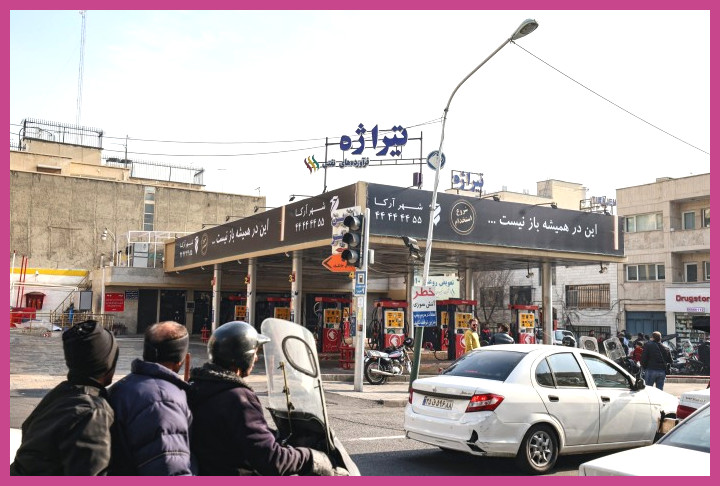
Rolling power blackouts have begun in Iran, highlighting the challenges faced by a nation rich in oil and gas but struggling with severe fuel shortages. These outages come as winter approaches, leaving many residents dealing with two-hour daily power cuts.
The situation has left many Iranians frustrated, especially as they experience energy shortages despite the country holding some of the world’s largest reserves of oil and natural gas. In recent months, fuel stations in several northern tourist areas have run dry, forcing long lines of motorists to wait for fuel. The blackouts have disrupted daily life, causing traffic lights to turn off and creating fears of getting stuck in elevators.
One Tehran engineer expressed disappointment, stating, “It’s a shame for a country so rich in oil and gas to have such issues. This trouble comes from poor management.” The problems are rooted in chronic under-investment in infrastructure, compounded by U.S. sanctions and mismanagement. State subsidies that encourage high fuel consumption burden the already stretched finances of the government.
The Iranian government has acknowledged that rising household demand combined with fuel shortages and a decision to stop burning heavy fuel oil at power plants are to blame for the current energy crisis.
The economic situation is dire, with President Masoud Pezeshkian admitting in September that the government has been struggling to pay its workers and has had to dip into the National Development Fund, which is intended for future generations.
Fuel costs in Iran remain incredibly low — around three cents per liter for petrol — compared to global standards. This is due to a combination of explicit and implicit subsidies that cost the government about $163 billion last year. Pezeshkian pointed out the irrationality of these subsidies when the country cannot even afford essential goods.
In a significant policy shift, the government is now allowing the import and sale of high-quality petrol at market prices, aimed at wealthier citizens. Additionally, a pricing scheme has been introduced to reduce energy consumption among affluent households.
However, there are worries that cutting subsidies too quickly could lead to unrest, similar to protests that erupted in 2019 after a sudden petrol price hike. Analysts warn that raising fuel prices could lead to inflation, affecting the prices of goods and services across the economy.
With estimated daily fuel deficits reaching about 20 million liters and the national electricity grid facing a shortfall of over 17,000 megawatts, experts emphasize that the country’s energy situation is precarious. Old power stations and outdated technology, limited by sanctions, are contributing to the crisis.
Despite the bleak outlook, there is a hint of openness from President Pezeshkian regarding negotiations with the West. However, the political landscape remains uncertain, especially in light of recent conflicts involving Iran and Israel.
The ongoing energy shortages are a source of embarrassment for a nation that should be utilizing its vast natural resources effectively. As the winter season approaches, Iran is likely to continue experiencing significant energy challenges unless it can resolve its broader issues.