

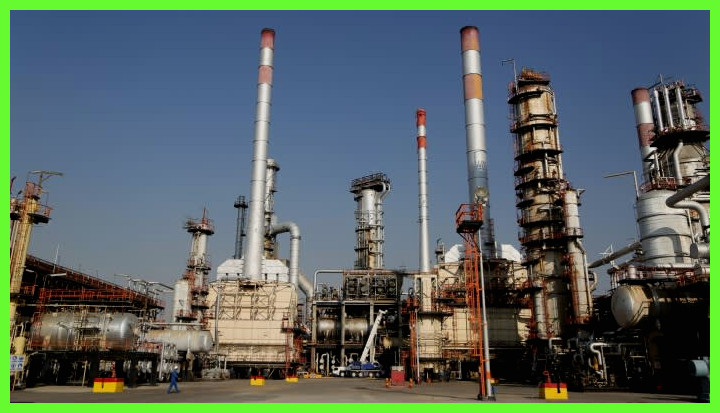
Oil prices experienced a significant tumble on Tuesday, as the once-looming specter of an Israeli assault on Iranian oil facilities receded into the background. Concurrently, new forecasts emerged, casting a pall over the anticipated demand from the colossal Chinese market.
In the tumultuous morning trading session, Brent crude—a staple reference point in the international market—plummeted as much as 5.3%, sinking to $73.34 per barrel. Although it managed to claw back some ground before the day concluded, it still traded 4.9% lower. WTI, its American counterpart, fared even worse, plunging to a staggering 5.6% decline.
These steep drops come on the heels of a volatile year, with prices having soared above $90 per barrel back in April, only to now reflect a decline of roughly 20%. Investors had previously ignited an uptick in prices amid escalating fears that the conflict between Israel and Iran could jeopardize global oil supplies. However, Tuesday’s sell-off was fueled by assurances from Israeli officials that any potential counterstrike would specifically target military objectives rather than the nation’s oil infrastructure, alleviating some of the market’s apprehensions.
As whispers from diplomatic circles reached the public, it became evident that Israeli leaders assured their American counterparts of a restrained military approach, focusing solely on strategic targets.
Meanwhile, the oil cartel OPEC and the International Energy Agency (IEA) both adjusted their forecasts downward for oil consumption next year, a reflection of the ongoing lethargy gripping the Chinese economy. The IEA projected a meager increase of merely 150,000 barrels per day (b/d) in China’s oil demand for 2024, following a staggering consumption drop of 500,000 b/d in August alone—the fourth consecutive month of decline.
“The disappointing performance of Chinese oil demand remains a primary impediment to overall growth,” the IEA articulated. Furthermore, the agency revised its anticipated oil demand growth downward by 40,000 b/d, now expecting an overall increase of 860,000 b/d for this year. However, it did forecast a rebound, with an anticipated rise of approximately 1 million b/d in 2025— a modest bump compared to previous estimations.
China, which had once been a juggernaut, driving nearly 70% of global oil demand growth in 2024, now accounts for a mere 20% of this year’s overall increase, underscoring a rapid deceleration exacerbated by an economy in flux and an accelerated transition to electric vehicles.
OPEC, for its part, also adjusted its projections earlier in the week, albeit with a more optimistic outlook of 1.93 million b/d growth for 2024. Meanwhile, the IEA, in managing oil reserves for OECD nations, revealed there exist over 1.2 billion barrels in storage and ample spare capacity among OPEC members to buffer against any supply disturbances.
“As developments in supply dynamics unfold, the IEA remains poised to intervene if warranted,” the agency affirmed, adding that, for the moment, supplies continue uninterrupted. In a broader context, absent a substantial disruption, the market appears to be confronting a considerable surplus as it heads into the new year.