

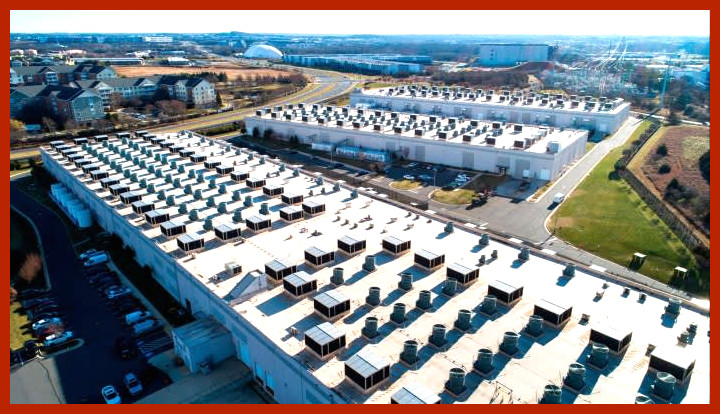
Amazon is making a bold move in the energy sector, acquiring a stake in X-energy, a prominent US nuclear developer. This partnership is not merely a financial transaction; it’s a strategic endeavor aimed at harnessing small modular reactors (SMRs) to deliver low-carbon electricity, specifically to power Amazon’s sprawling data centres.
On Wednesday, X-energy announced that Amazon would spearhead a substantial $500 million fundraising initiative. This influx of capital is earmarked for the advancement and licensing of a new generation of SMRs that the company touts as being markedly more efficient than conventional large-scale nuclear reactors.
In a show of confidence, several notable names joined the fundraising, including Ken Griffin, the founder and CEO of Citadel, executives from Ares Management Corporation, and private equity firm NGP, alongside the University of Michigan. Although the precise size of Amazon’s stake remains undisclosed, it was revealed that the tech titan will secure two seats on X-energy’s board, further integrating its influence into the company’s strategic direction.
This investment is emblematic of Amazon’s broader ambition to penetrate the nuclear energy landscape. The tech giant has pledged support for an SMR project in Washington state, destined to be constructed and operated by Energy Northwest, a consortium of public utilities. Moreover, an alliance was formed with Dominion Energy to explore the potential for an SMR initiative near the existing North Anna nuclear facility in Virginia.
The collaborative vision is ambitious: Amazon and X-energy aim to generate upwards of 5 gigawatts of SMR-produced power by 2039, sufficient to electrify 4 million homes. This announcement coincides with a growing trend among tech giants seeking low-carbon energy solutions that align with their climate commitments.
In a parallel development, Google has ordered six to seven SMRs from California’s Kairos Power, marking a significant first as the tech sector embraces new nuclear ventures. Not far behind, Microsoft revealed plans to secure a 20-year power supply from the dormant Three Mile Island nuclear site if Constellation Energy revives operations there.
X-energy, backed by the chemical powerhouse Dow, has pioneered a reactor that utilizes helium gas instead of traditional water for cooling, a novel approach designed to enhance efficiency. Each of their Xe-100 SMRs is capable of producing 80MWe, allowing for the creation of scalable “four pack” 320MWe power plants, comparable to standard gas-powered facilities.
The first Xe-100 unit is under development at Dow’s manufacturing site along the Texas Gulf Coast, enjoying financial support from the US government. Amidst a backdrop of federal investment in SMR technology, which promises cost reductions and accelerated construction timelines, private investment has been a hard sell due to the still-nascent nature of the technology coupled with high initial costs.
However, an unprecedented surge in power demand—driven in part by the burgeoning rollout of artificial intelligence data centres—has led tech companies to reassess the viability of nuclear energy, effectively underwriting numerous projects and revitalizing the industry.
Kevin Miller, Amazon’s VP of global data centres, asserts that the innovative technology from X-energy will be a cornerstone in achieving the company’s ambitious goal of reaching net-zero emissions by 2040. On the other hand, X-energy’s CEO, Clay Sell, emphasized the urgent need for clean, safe, and reliable energy on the grid to capitalize fully on the opportunities presented by burgeoning artificial intelligence technologies.
James West, an analyst at Evercore ISI, observed that Amazon’s strategic financial move could potentially galvanize other tech giants to explore stakes in SMR companies, thereby securing essential energy resources. “This is another major step forward in a nuclear renaissance that is unfolding… The major tech companies, like Amazon Web Services, are at the forefront, actively enabling these transformative investments with their substantial capital,” he noted, capturing the essence of a rapidly evolving energy landscape.