

A New Era of Renewable Energy: Promise and Perils
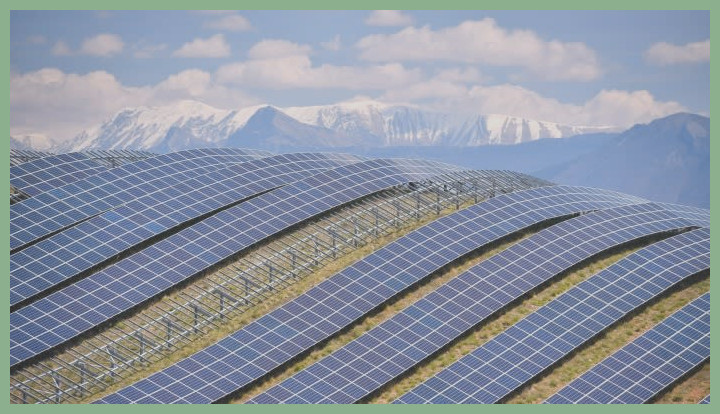
In a remarkable surge, the realm of renewable energy is witnessing an unprecedented expansion. Vast solar farms are setting roots in the sun-drenched sands of Arizona, while towering wind turbines pirouette along the gusty coastlines of the North Sea. Meanwhile, hydroelectric plants are carving their presence into the rugged silhouettes of European mountains. These monumental shifts are fueled by billion-dollar green policy initiatives, such as the US Inflation Reduction Act and the EU’s ambitious “REPowerEU” strategy, which have ignited this clean energy revolution. To put the scale into perspective, global investments in renewable energy eclipsed a staggering $700 billion last year—more than double the figures recorded in 2015. Yet, amidst this flourishing landscape, a glaring challenge lurks: a disturbingly large portion of this green energy is going to waste.
The core issue lies in the very nature of renewable energy—its unpredictability. Solar panels bask in sunlight while wind turbines thrive on brisk breezes. Consequently, when these renewable sources generate electricity, it becomes crucial that this energy is either fed promptly into the grid for immediate use or stored for later consumption. However, the infrastructure required for effective grid management and energy storage has spectacularly lagged behind the rapid growth of renewable technologies worldwide, as emphasized in a recent report from the International Energy Agency.
A striking illustration of this disconnect is evident across America and Europe, where vast swathes of green energy capacity remain tethered and unused. In the United States, for instance, nearly 2,500 gigawatts of renewable electricity were left languishing, waiting to be integrated into the grid as per findings from the Lawrence Berkeley National Laboratory.
In some unsettling cases, governments have had to resort to compensating renewable companies not to produce electricity, effectively putting the financial burden on taxpayers, all in an attempt to prevent grid overload. This overabundance of untapped energy drives down prices and creates disincentives for future green investments. In Europe, power prices have plummeted below zero for an astonishing number of hours this year, emphasizing a dire predicament. The grid’s troubles not only throttle the green transition but also hamper efforts to reduce reliance on the more dependable, albeit polluting, fossil fuels.
So, what avenues lie ahead for rectifying this conundrum? The most straightforward answer points to the necessity for governments to bolster grid development. The towering pylons and intricate networks that transfer electricity from burgeoning plants to homes and businesses have fallen into neglect—deemed the less glamorous, yet vital cogs of the green transition. Upgrades are imperative; these improvements must seamlessly integrate with substantial investments in renewables. Moreover, regulations must be simplified. Lengthy planning procedures and localized resistance often obstruct crucial grid development, with wind energy projects in Europe facing permit waits that can stretch to an excruciating nine years.
Yet, developing superior storage capacity is equally critical. Consider pumped storage hydro projects, such as those that grace the shores of Loch Ness in Scotland; these ingenious systems utilize surplus electricity to elevate water into reservoirs, caching energy for later use. However, this fascinating solution relies heavily on favorable topography. Instead, the need for diverse, grid-scale storage solutions is glaring. The influx of private investment into storage research and development is promising, but it is vital for policymakers to foster this growth. Take California, for instance—the state has emerged as a frontrunner in battery storage, driven by incentives for homeowners to install batteries and mandates for utilities and builders alike. Furthermore, international collaboration to secure supplies of critical minerals essential for storage technologies remains indispensable.
Beyond just infrastructure, the management of our grids must evolve. Embracing digital technologies, cutting-edge sensors, and sophisticated software can significantly enhance our ability to match energy supply intricately with demand. Improved connectivity could catalyze remarkable efficiencies. The current lack of integration across the EU’s energy network, for example, impedes rapid transfer of renewable electricity from production hotspots to areas with soaring demand.
Despite notable progress in transitioning to greener energy, global temperature targets teeter precariously. A burgeoning global population, relentless economic expansion, and the rise of artificial intelligence amplify energy demands incessantly. We stand on the cusp of a pivotal moment: further investments in green energy capacity are vital, but achieving that requires a concerted push for regulatory reforms and substantial investments into robust, intelligent energy networks and storage capabilities. Without such strides, a vast reservoir of the world’s renewable energy potential will likely remain tantalizingly beyond our grasp.