

China’s aluminium industry is undergoing a significant transformation, as production moves from traditional coal-intensive regions to areas with abundant renewable energy sources. This shift aims to produce cleaner aluminium and aligns with national goals for reducing carbon emissions.
In 2024, China’s electrolytic aluminium output reached 43.8 million tonnes, making up about 60% of the world’s total production. Notably, around 13 million tonnes—about 30% of that output—now comes from new smelters located in regions like Yunnan, Sichuan, Xinjiang, and Inner Mongolia, where clean energy is plentiful and costs are low.
This ambitious multi-billion dollar initiative is designed to reduce the carbon footprint of one of the most polluting industries. Analysts believe that the aluminium sector’s achievements may serve as a model for the government to implement similar reforms in other industrial sectors.
“China often tests new policies in specific areas, scaling them up based on success,” explains Isadora Wang, head of Transition Asia. “The swaps in the aluminium sector have been particularly effective and could influence other similar industries.”
Since 2017, when the government set an annual production cap of 45.5 million tonnes, there have been increasing regulations to limit new smelting capacities in areas with strict pollution controls. President Xi Jinping’s targets for peak CO₂ emissions by 2030 and net zero emissions by 2060 have further strengthened these measures.
New smelters in the southern and western parts of China must offset their expansions by closing equivalent capacities in the older northern regions reliant on coal power. This relocation is transforming the landscape of Yunnan, a province where emissions from the aluminium industry have historically been a significant concern.
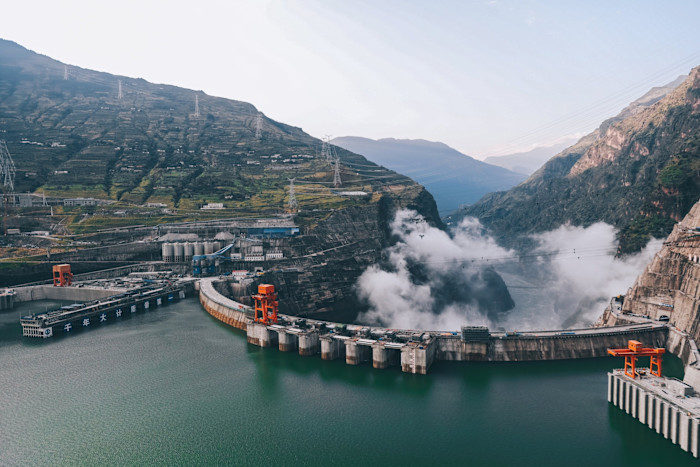
A new industrial park in Wenshan, a city in Yunnan, is home to smelters that produce alloys essential for various applications, from electric vehicles to smartphones. The area is supported by extensive high-voltage power lines from hydropower stations, along with solar panels and wind turbines dotting the landscape.
“The aluminium industry in China is experiencing a major and systematic change,” said Wenshan’s mayor, Le Jiawen, during an industry event. He stated that competition is shifting from merely size and cost to a comprehensive race based on green and low-carbon initiatives.
Plans to establish a new railway by 2030 will connect this industrial zone to other markets, including neighboring Vietnam and Laos. China Hongqiao, the largest private aluminium producer, anticipates completing its second smelter in Wenshan soon. This site is expected to have an annual capacity of 4 million tonnes, representing 60% of the company’s total output.
Investments in cleaner energy technology in Yunnan and Shandong are projected to reduce the company’s carbon emissions by two-thirds. The relocation strategy has also been influenced by international environmental policies, such as the EU’s carbon border adjustment mechanism, which introduces levies on imports based on carbon content.
However, this transition raises concerns about the fate of northern regions that may struggle as aluminium production moves south. Some companies have been looking at international markets, while environmentalists worry about the impact of investments in countries like Indonesia to secure raw materials.
China’s overall aluminium production is nearing its self-imposed cap, which keeps prices high in global markets and encourages companies to explore opportunities abroad. Yet, there are additional human rights concerns linked to increased aluminium production in regions like Xinjiang.
As China’s local governments compete vigorously for investments, they are offering incentives such as tax breaks and subsidies to attract new businesses. This competitive environment could have lasting implications for the country’s aluminium and energy strategies moving forward.
In summary, China’s approach to revamping its aluminium industry highlights a shift toward sustainable practices, aligning with broader climate goals while navigating complex economic and environmental challenges.