

Empowering utilities to handle their own technology needs can have significant benefits for the entire energy system.
Traditionally, self-service options in the energy sector have focused on helping customers manage their accounts, change tariffs, and solve issues without contacting support. However, a new form of self-service is now emerging specifically for the utilities themselves, especially amid the ongoing wave of digital transformation. It is becoming essential for utilities to independently meet their own technological requirements, allowing them to innovate, streamline processes, and integrate systems without relying on lengthy external coding assistance.
This self-management of technology means that teams can directly control their tools, enabling them to respond quickly to challenges and foster innovation. As energy grids become more decentralized and customer expectations continue to rise, utilities cannot afford to be bogged down by time-consuming coding requests. Sadly, many still face challenges due to outdated, disconnected, and rigid systems.
Outdated Technology: A Barrier to Progress
Clunky technology hampers innovation within utilities. Many still depend on a mix of old systems for essential functions like billing, metering, and customer care. These systems often operate in silos, making it challenging to access and work with data in a cohesive manner. Even small adjustments, such as updating a pricing structure, can require extensive and complicated coordination, which ultimately drains resources and can lead to frustration among talented staff.
Allowing Utilities to Meet Their Own Tech Needs
Transitioning to a unified, advanced operating system is the first step towards meaningful change. This shift enables utilities to adjust their technology to fit their requirements without fear of causing issues. An integrated system facilitates open APIs and user-friendly interfaces, which are crucial for modern utilities that aim for efficiency and inspirational work cultures. Today, many so-called ‘modern’ tech platforms still limit utilities’ ability to adapt their systems or access their own data freely, stifling innovation.
The Kraken Solution: A Model for the Future
Designed specifically for utility needs, Kraken’s operating system allows for quick configuration, testing, and deployment of new ideas. With its open APIs and a cohesive data model, teams can easily create and roll out custom products in just a few clicks, sidestepping lengthy development cycles. This flexibility transforms Kraken into a dynamic product lab where utilities can launch new initiatives in real time.
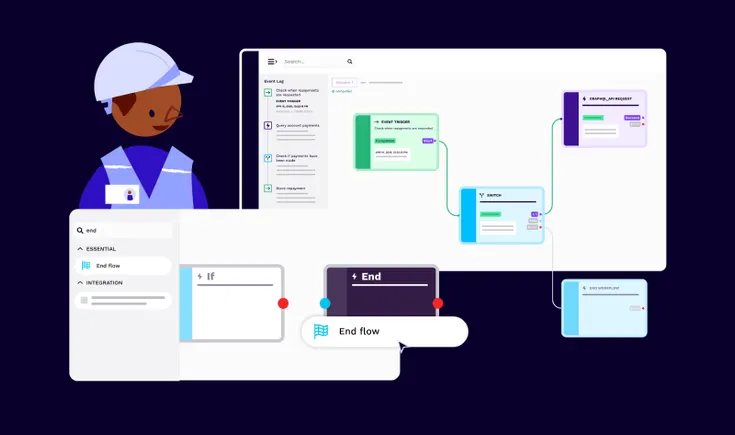
With tools like Kraken’s Flows, utilities can streamline processes and enhance customer experiences—from managing overdue payments to introducing reward programs. This autonomy empowers utilities to promptly test new tariffs and efficiently manage customer needs, enabling a proactive approach to change within the energy landscape.
A Path to Energy Transformation
An adaptable, integrated system serves as a foundation for utilities to connect all aspects of the energy value chain—from customer management to field operations and grid coordination. When utilities have the autonomy to innovate across different sectors of the energy landscape, every customer interaction becomes valuable. For instance, a customer modifying their electric vehicle charging preferences can provide real-time data back to the network operator, enhancing communication and coordination.
This shift allows utilities to establish unified technology that supports real-time, collaborative decision-making. With this level of adaptability, the energy system can transform from being slow-moving to agile and responsive, allowing utilities to meet the complexities of tomorrow’s energy demands effectively.