

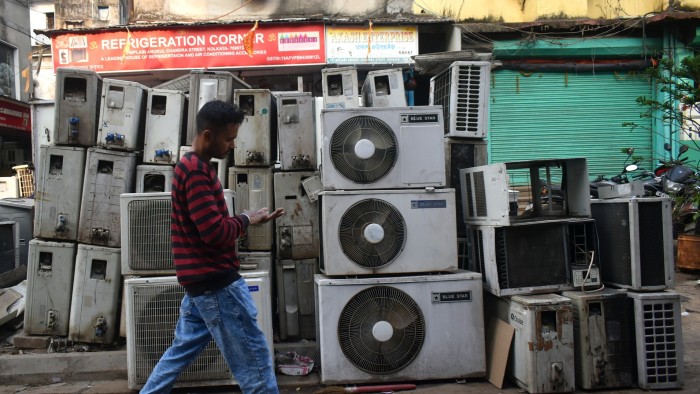
Global energy demand saw a significant rise last year, primarily driven by record-breaking temperatures worldwide. This climatic change led to an increase in electricity usage aimed at cooling, creating a cycle of higher energy consumption linked to Climate Change.
According to the International Energy Agency (IEA), electricity demand grew by 4.3%, which was an uptick from the previous year’s increase of 2.5%. This surge can be attributed to extreme heat, increased electrification in transport and buildings, and the expansion of data centers.
While a significant portion of the electricity demand was met by clean energy sources, natural gas consumption saw the most rapid increase, hitting an all-time high. In contrast, the growth in oil and coal use experienced a slowdown.
The severe heat of last year was a major factor in driving energy demand. With “cooling degree days” rising by 6% from 2023 and 20% above the average from 2000-2020, the demand for cooling significantly impacted electricity needs. Notably, hydropower generation faced challenges due to prolonged drought conditions in some areas, leading to a reliance on coal and other power sources.
The IEA estimates that around 15% of the total increase in energy demand was influenced by weather, while the contribution of high temperatures to electricity demand was even higher at around 20%. Additionally, the surge in coal demand was primarily linked to prolonged heatwaves, particularly in countries like China and India, which contributed significantly to the rise in energy-related emissions.
The IEA analysts presented a bar chart illustrating how these weather trends affected energy demand and emissions.
Moreover, as the report underlined, the development of clean energy technologies in recent years has helped curb the growth of emissions. However, there is an urgent need to accelerate the adoption of these technologies to further mitigate emissions.
In summary, while clean energy deployment has made strides, there is a pressing need for faster implementation to combat rising emissions effectively.