

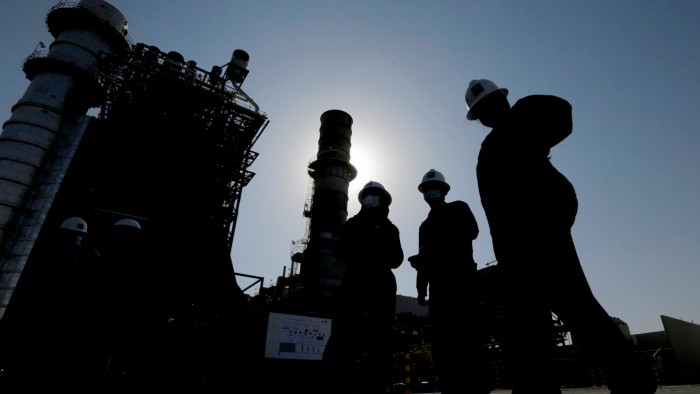
Opec+ has announced a plan to increase oil production beginning in April, a decision that caught many by surprise and led to a drop in crude oil prices.
Previously, Saudi Arabia and seven other members of the Opec+ group had postponed plans to end long-standing cuts to oil output. Many traders anticipated yet another delay, but on Monday, Opec+ revealed its decision to gradually add 2.2 million barrels per day back to production over the next 18 months.
Following this announcement, Brent crude oil prices fell by 1% on Tuesday, hitting a five-month low of $70.60 a barrel. This decline continued a 2% drop from the previous day, as the market reacted to the potential increase in oil supply.
Amid rising concerns about how U.S. tariffs might affect economic growth, oil prices have already fallen more than 10% since this year’s peak of $82 a barrel in January.
U.S. President Donald Trump confirmed the imposition of a 25% tariff on goods imported from Canada and Mexico, starting Tuesday, further impacting the oil market. According to Kevin Book from ClearView Energy Partners, this combination of tariffs and the Opec+ decision to resume production has created a negative signal for traders.
Opec+ had initially planned to start lifting production cuts back in September but had postponed that decision three times. The eight countries that will boost production include Saudi Arabia, Russia, Iraq, the United Arab Emirates, Kuwait, Kazakhstan, Algeria, and Oman. Existing production cuts will remain in effect.
Opec+ mentioned that the increase in production could be paused or reversed if market conditions change, allowing them to maintain stability in the oil market. Currently, Opec+ members are producing around 6 million barrels per day less than their total capacity, which is about 6% of the global oil supply.
Saudi Arabia has made the largest sacrifices in production, cutting back by 2 million barrels a day over the last two years. This strategy has strained relations with the U.S., which had urged Riyadh to increase output in response to soaring oil prices following the Russian invasion of Ukraine.
Analysts predict that the current outlook for supply and demand leaves an opportunity for Opec+ to gradually increase production before summer, with any concerns about oversupply likely only becoming evident later in the year.