

Key Highlights:
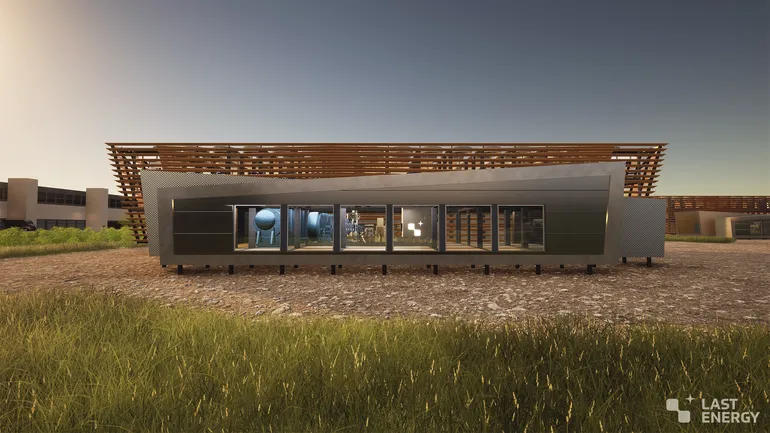
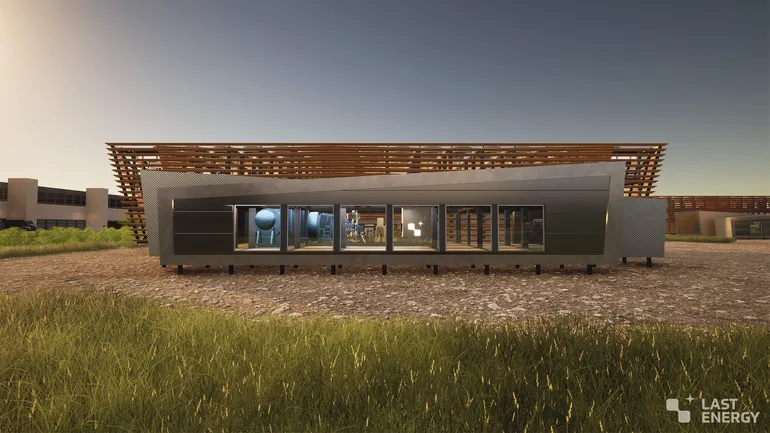
- Last Energy, a company specializing in advanced nuclear technology, has announced plans to install 30 microreactors for data centers in the Electric Reliability Council of Texas (ERCOT) area.
- The microreactors, each generating 20 megawatts (MW), will be rolled out in stages, eventually contributing 600 MW of additional electric capacity to the ERCOT grid over the next few years. The company has already requested to connect to the grid and is considering both direct and indirect connections.
- Texas Governor Greg Abbott stated that this project emphasizes the state’s ambition to lead in advanced nuclear power.
Analysis:
ERCOT is preparing for a significant increase in electricity demand over the next five years. Their latest estimates show an added 37 gigawatts (GW) to projections for 2029, leading to a total expected increase of 43 GW by then, as reported by Grid Strategies.
According to ERCOT’s forecasts, data centers and sectors like hydrogen production will show the most considerable growth through 2030, aiming for 148 GW in large load contracts and 153 GW in peak summer demand.
Data centers are exploring various options to meet their immediate power needs, either connected to the grid or through alternative sources.
In December, a notable partnership was formed between Google, TPG Climate, and Intersect Power. They pledged $20 billion to create “powered land” to support large data centers using a blend of renewable energy, energy storage, and backup systems. While the location remains unannounced, they expect to have the project operational by next year and fully completed by 2027.
In Texas, the Stargate project, which includes OpenAI, Oracle, SoftBank, and MGX, will utilize 360.5 MW of gas-powered turbines for its first data center.
Furthermore, Texas has seen collaborations between advanced nuclear firms and major industrial users. For example, Dow and X-energy plan to set up four 80-MW reactors at Dow’s Seadrift facility, while Oklo and Diamondback Energy are in talks to use Oklo’s 50-MW reactors for operations in the Permian Basin.
Last Energy’s CEO, Bret Kugelmass, emphasized that the company’s microreactors are well-suited to address Texas’s growing energy demands.
“Our approach allows us to design once and build many, which helps us cut costs and speed up the entire process,” said a company representative.
While Last Energy hasn’t disclosed any clients for its Texas microreactors yet, they are expected to reveal more information soon.
This deployment in Texas marks Last Energy’s initial foray into the U.S. market, though they already have agreements for over 80 microreactors in Europe, with many set for data center initiatives.
In December, Last Energy also joined Texas and Utah in a lawsuit against the U.S. Nuclear Regulatory Commission over what they call excessive regulations for microreactors, but they did not further comment on how this new announcement would impact ongoing legal proceedings.