

The electric grid is facing many challenges that seem overwhelming. People wonder how much of the expected load growth is exaggerated and how much is genuine concern. There are pressing questions about how to upgrade the grid without placing an unfair financial burden on everyday consumers. Additionally, utilities must strategize on preparing for disasters like floods, fires, and storms. It’s crucial that our modern energy grid serves everyone, despite the varying state policies and resources across the nation.
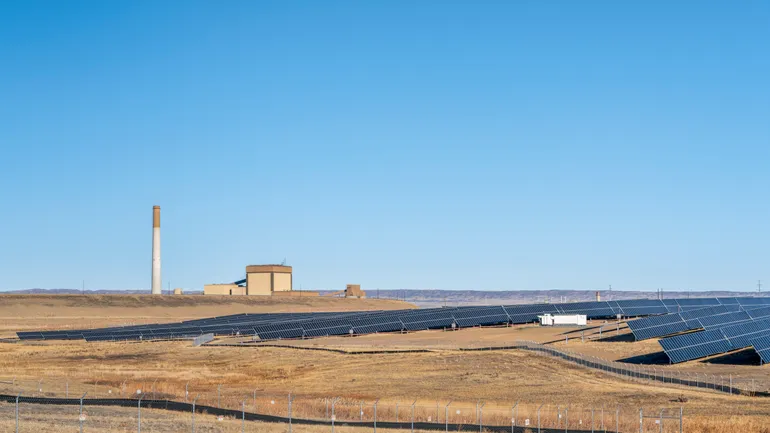
While these questions are complex and won’t be resolved instantly, there’s an innovative solution available today that could streamline countless energy projects and save consumers money. This approach, known as surplus interconnection, enables new energy projects to connect to existing infrastructure at facilities that have low utilization. This could nearly double energy generation in the United States by 2030, at a significantly lower cost and time than traditional interconnection methods.
Affordable and clean energy is vital for keeping U.S. businesses running smoothly. Energy Secretary Chris Wright made this point clear in his recent order emphasizing “energy addition.” Surplus interconnection essentially means adding energy resources to the grid in the quickest and most cost-effective way possible.
In his announcement, Secretary Wright stressed the need to “expand energy production and reduce energy costs for American families and businesses.” Utilizing the existing interconnection capacity at thermal plants can rapidly increase energy production. This would save around $200 billion by circumventing the need for new infrastructure and lengthy construction periods while concurrently adding reliable resources to the grid. To maintain competitiveness in a changing global economy and ensure that Americans have access to affordable electricity, implementing this solution is essential.
Currently, around 800 gigawatts of clean energy projects are ready and could plug into the interconnection systems of over 1,000 existing thermal plants across the country, enhancing the grid’s capacity. By 2030, it’s projected that an additional 200 gigawatts could also be integrated.
Using existing interconnection points to bring in affordable clean energy is a strategic way to boost grid reliability while keeping costs down. This also allows financial benefits to remain in regions that have historically powered America. A collaborative shift between thermal and clean sources lets grid operators effectively manage clean energy generation while maintaining thermal resources for extreme situations until they are ultimately decommissioned.
Aging coal plants are ideal candidates for this surplus interconnection strategy. Recent analysis found that nearly a third of coal units with planned retirement dates have been extended. Operating these old plants often comes with high operational costs and minimal economic sense. A significant majority of existing coal plants are more expensive to run than investing in clean energy replacements, even without considering federal incentives.
To protect consumers, the best approach is to maximize output from aging plants instead of investing in costly, underused infrastructure. This method is also beneficial for utilities. By leveraging their surplus interconnection capabilities for new projects, power plant owners can utilize existing setups to host clean energy initiatives, akin to retail spaces renting out underused areas. This strategy allows fossil fuel asset owners to transition from costly fossil fuel operations to renewable energy ventures.
From a reliability perspective, surplus interconnection serves as a timely solution to integrate critical resources into the grid, especially as demand grows from data centers and manufacturing. For instance, existing gas plants typically struggle in winter when grid demand peaks, while solar installations continue to produce energy. Many thermal plants are running at less than 20% capacity, yet their interconnection capabilities remain intact. Plugging clean energy projects into these older gas and coal facilities enables them to serve as backup power only when necessary.
Regional transmission organizations and utility companies are beginning to recognize this immediate solution to growing energy demand. For example, organizations like MISO and the Southwest Power Pool are initiating expansions in their surplus interconnection services. Utilities like Xcel Energy and PacifiCorp have started applying this concept to deploy solar and storage technologies. Additionally, the Federal Energy Regulatory Commission recently approved a proposal to update surplus interconnection rules, supported broadly by various stakeholders, including utilities and clean energy advocates.
Despite these positive developments, the U.S. has not fully unlocked the potential of surplus interconnection. Many clean electricity projects remain stalled in interconnection queues, while utilities continue to decline requests from tech companies hoping to power new data centers.
Surplus interconnection offers a win-win scenario, effectively dealing with the challenges power plants, utilities, and state leaders face in responding to growing energy demand. By 2030, about 1,000 gigawatts of low-cost clean energy could be swiftly added to the grid, addressing the need for affordable energy. Energy leaders across the country are encouraged to support this bipartisan solution, ensuring access to clean power that is not only secure but also cost-effective amidst rising demand.