

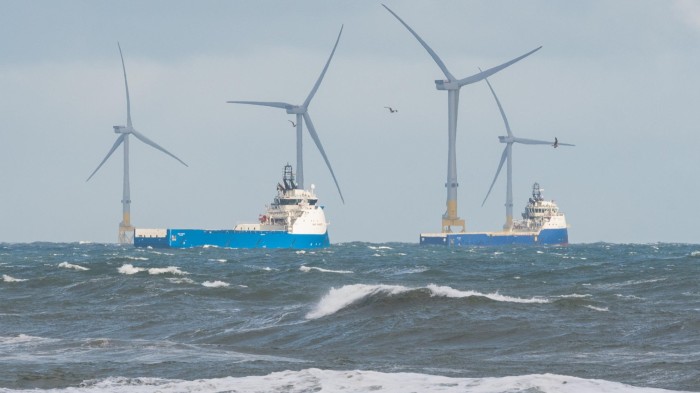
Scotland’s offshore wind sector may face a slowdown if developers don’t perform better in the upcoming UK renewable energy subsidy auction, according to Deputy First Minister Kate Forbes. She stressed the need for more accessible opportunities for Scottish developers, who face significant bureaucratic challenges and transmission costs that undermine their competitiveness in the auction process. Last year, only one new Scottish entrant secured subsidies.
Forbes expressed disappointment that so few Scottish projects were successful in the Contracts for Difference (CfD) allocations, highlighting the desire for increased participation. The UK government has been open to discussions on this topic, she noted.
In these auctions, the UK government provides contracts that guarantee prices for electricity, which are crucial for supporting renewable energy projects. Plans are underway to make the upcoming summer auction the largest to date.
During last year’s auction, Green Volt was the only new Scottish developer to succeed, focusing on innovative floating wind technologies rather than traditional fixed offshore wind installations. Other projects in Scotland that had received contracts previously were able to secure renewals.
Scotland hosts a significant portion of the UK’s offshore wind capabilities, with a fifth of the operational offshore wind farms and a notable number of onshore wind farms situated in the region. However, industry players argue that high costs associated with accessing the electricity transmission system, along with long waiting times for grid connections and slow project approvals, put Scottish projects at a disadvantage compared to those in England.
Mark Baxter from Ocean Wind highlighted the need for a fair competition landscape, advocating for reforms in the transmission network charges, which tend to be steeper in northern Scotland, raising operational costs for developers.
The UK government is evaluating a proposal to implement zonal pricing in the electricity market, which could support generation closer to demand locations but may also create uncertainty and increase costs for developers, potentially hindering efforts to meet the UK’s 2030 decarbonization goals.
SSE, a prominent energy firm, voiced concerns over these pricing changes, stating that it would detract from essential energy infrastructure projects. Instead, Scottish wind developers suggest modifications to the current transmission usage price model as a more beneficial approach.
Chris Stark, who leads the UK’s clean power initiative, expressed confidence that the government would provide clarity on these pricing issues by summer. He emphasized the critical nature of the next year in securing enough renewable energy projects to transition away from natural gas.
The upcoming auction, expected in the summer, needs to be highly successful in order to restore confidence in the renewable energy sector, which is seen as vital for achieving the UK’s climate goals.