

Labour leaders Sir Keir Starmer and Rachel Reeves have expressed their support for two contentious North Sea oil and gas projects, despite environmental concerns and objections from some Labour MPs. The projects in question include Shell’s Jackdaw gasfield and Norway’s Equinor’s Rosebank project, valued at £3 billion, both facing increased scrutiny over their potential carbon emissions.
Recently, Scotland’s highest civil court revoked permissions previously granted for these projects. This decision is linked to a ruling from the UK Supreme Court last year, which mandated that emissions from burning fossil fuels must be considered in environmental impact assessments.
A supporter of Starmer stated, “We are clear about our position; we back these fields.” They acknowledged that the previous government’s approval process was deemed unlawful, but they believe that new applications will adhere to updated guidelines while existing projects will receive necessary endorsements.
Anders Opedal, Equinor’s CEO, remains hopeful for government backing for the Rosebank project, which is expected to proceed despite the ruling. He indicated that work on the project could continue and expects production to commence in 2027.
Philippe Mathieu, in charge of the Rosebank project, mentioned that Equinor is engaged in ongoing discussions with the energy department regarding these new regulatory requirements, with a new environmental impact assessment anticipated for submission soon.
The Rosebank site, recognized as the UK’s largest undeveloped oil reserve, is estimated to hold around 500 million barrels of oil. However, a recent court ruling also stated that previous permissions for both Jackdaw and Rosebank need to be reevaluated following the Finch case.
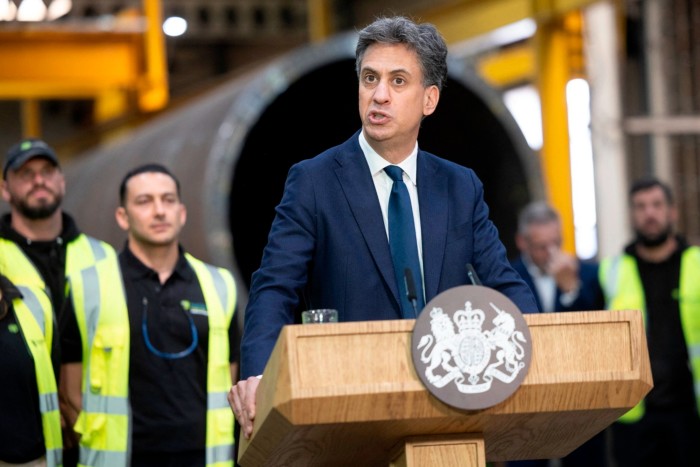
Energy Secretary Ed Miliband previously criticized the Rosebank license, labeling it a significant waste of taxpayer funds and detrimental to climate efforts. Nevertheless, Reeves reaffirmed Labour’s commitment to honoring existing licenses in their recent election manifesto.
Labour’s Clive Lewis emphasized that the country should lead in climate policy, especially following Brexit. He urged the government to act in line with its climate commitments made earlier this year.
As the government creates new guidelines for environmental assessments reflecting the Finch decision, these regulations might impose stricter standards for fossil fuel projects.
While Labour aims for net-zero carbon emissions by 2050, experts note that the UK’s energy strategy will continue to rely on fossil fuels for years.
A spokesperson from Downing Street stated, “We recognize the importance of the North Sea and its oil fields, and we will work on new guidelines to allow developers to seek approvals under a redefined framework.”
In the upcoming period, the government is also expected to outline how its North Sea licensing will function alongside the newly established bans on further exploration.