

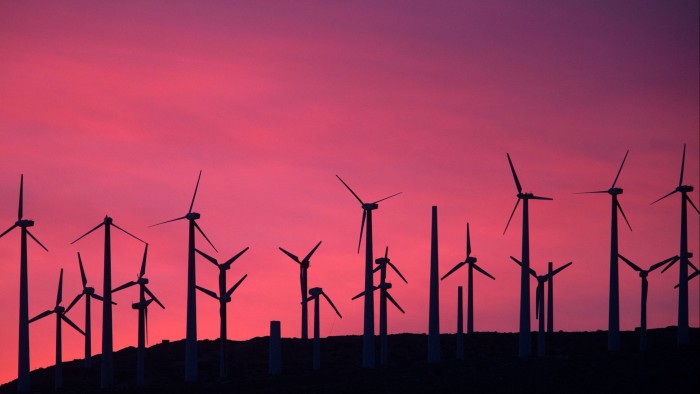
Donald Trump’s recent actions concerning renewable energy could lead to an electricity crisis in the United States, as executives in the industry have raised alarms over potential rising costs for consumers and the need to compete globally, especially in artificial intelligence (AI).
Within his first week as president, Trump imposed a halt on all offshore wind project approvals, reviewed existing wind leases, and put a stop to crucial incentives for green energy amounting to hundreds of billions of dollars. These decisions have caused considerable concern in a sector that is currently the most affordable and rapidly expanding component of the nation’s energy supply amid increasing electricity demand.
Consultants from Bain predict that utilities will need to elevate electricity generation by as much as 26% by 2028 compared to 2023 in order to meet this escalating demand. A significant portion of this increase is expected to come from the growth of data centers, which are energy-intensive and necessary for advancing AI technologies.
Jim Robb, CEO of the North American Electric Reliability Corporation, expressed doubts about the wisdom of slowing down the development of energy resources at a time when demand is sharply on the rise. He emphasized the importance of American AI infrastructure not being heavily reliant on other countries for energy.
The competition with China has intensified, especially with the recent launch of a more efficient AI assistant by a startup, which has shifted forecasts for power consumption and potential opportunities for energy companies. Executives in the energy sector are suggesting that renewable energy combined with battery storage is best suited to meet immediate power demands, while traditional gas plants may face longer timelines and cost issues.
According to investment firm Lazard, the cost of electricity from solar and wind energy is still lower than that from other sources, including gas, mainly due to decreasing prices for technology and federal support.
Despite his strategy to reduce energy bills and enhance oil and gas production in response to inflation, Trump’s recent policy choices have raised concerns about future investments in renewables. He has paused permits for renewable energy projects and limited offshore wind leasing, particularly affecting areas like the northeast where renewable resources are essential.
Industry experts warn that the uncertainty from these changes could slow advancements in renewable energy projects, and several major developers have already paused or withdrawn from initiatives since the November election.
Mark Brownstein from the Environmental Defense Fund criticized Trump’s orders as going against economic sense, questioning why the country would eliminate some of the most cost-effective energy options during a national energy emergency.
Experts predict that slowing down renewable energy projects could further jeopardize stability in the electricity grid, resulting in an increased likelihood of outages. According to energy analyst Kevin Smith, the escalation in electricity demand without adequate supply can lead to power failures, highlighting the necessity of maintaining and increasing renewable capabilities.