

The UK government is seeking legal advice regarding its financial commitment related to TotalEnergies’ $20 billion liquefied natural gas (LNG) project. This initiative, which involves significant taxpayer funds amounting to $1.15 billion, is currently in limbo, largely due to ongoing violence in Mozambique’s Cabo Delgado province.
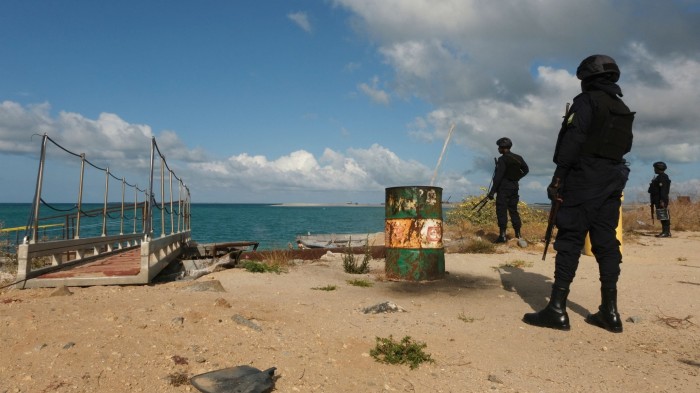
UK Export Finance (UKEF), the agency responsible for overseeing these financial operations, had pledged assistance in June 2020. This support was aimed at facilitating the development of one of Africa’s largest energy projects. However, shortly after the agreement was made, the project was put on hold following a series of terrorist attacks in the area where Total planned to establish a gas liquefaction plant.
Despite the current challenges, TotalEnergies is making efforts to revive the project. The backdrop includes political instability in Mozambique due to disputed elections, adding layers of complexity to the situation. The UK’s Labour government, which has expressed intentions to shift towards renewable energy sources, is evaluating whether its commitment from 2020 is still valid.
According to sources close to the government, significant discussions have been taking place. Officials are reportedly concerned about potential legal issues if they decide against honoring the financial commitment. Since the initial agreement, the UK has declared it will no longer support financing for new oil and gas projects, aligning its policies with climate goals established during the COP26 conference.
Environmental groups, such as Friends of the Earth, have raised alarms, suggesting that UK support for the Mozambique project could contradict the country’s climate pledges. Additionally, a government official indicated the difficulties in navigating the evolving situation in Mozambique, describing it as a “bloody nightmare” with high levels of uncertainty.
The UKEF has not publicly addressed whether it will proceed with the funding, while Total has also refrained from commenting on the UK’s financial involvement. Other nations, including the US and the Netherlands, are also re-evaluating their roles in the project, with the Dutch credit agency taking a closer look at security and human rights conditions before deciding on its involvement.
The potential withdrawal from the project could create a funding shortfall, complicating the financing structure for the Mozambique LNG endeavor, which might further delay its progress. Total’s CEO, Patrick Pouyanné, recognized during an investor day that attitudes from supporting countries regarding financing fossil fuel projects have evolved since 2020. Still, he insisted that countries remain committed to agreements they have signed.
In light of these developments, Total has delayed its expected restart date for the project, which now threatens the planned production timeline for 2029.