

Russia’s leading liquefied natural gas (LNG) producer, Novatek, is actively trying to influence European Union policymaking. The company has reached out to think-tanks in Brussels, including the European Policy Centre, Bruegel, and the Centre on Regulation in Europe, to set up discussions about EU sanctions.
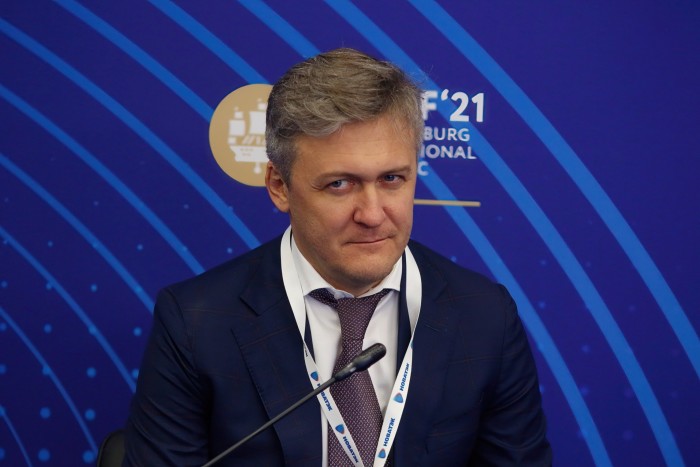
Novatek’s deputy chair, Denis Solovyov, was scheduled to visit Brussels for these discussions, which were aimed at addressing energy security and the evolving EU energy policy surrounding LNG. However, all approached think-tanks declined Novatek’s request for a meeting, stressing their commitment to impartiality in policymaking.
The backdrop to this outreach is the ongoing debates among EU member states over the potential ban of Russian LNG imports, which have been notably shielded from sanctions since the beginning of the conflict in Ukraine. Currently, Russian LNG accounts for over 20% of the EU’s imports, with a significant share sourced from Novatek-owned facilities such as Yamal LNG and Vysotsk LNG.
In light of recent geopolitical tensions, some EU officials are concerned about Russia’s strategy of exploiting divisions within the bloc’s energy policies. As the EU grapples with its energy future, the Commission has proposed limited bans on Russian LNG entering EU ports not linked to its main gas grid, although this requires unanimous consent among all 27 member states.
The pressure on Novatek is also rising internationally. With new restrictions imposed by the U.S. on Vysotsk LNG and ongoing concerns about the Arctic LNG 2 project, which Novatek spearheads, the company is facing challenges in maintaining its market share. The U.S. has indicated it may impose even stricter sanctions if Russia does not cease its military actions.
Experts advise caution, suggesting the EU should resist any urge to re-engage economically with Russia, given its potential to leverage energy supplies as a political tool in the future. As tensions persist, the path forward for both Novatek and the broader European energy landscape remains complex and uncertain.