

Summary:
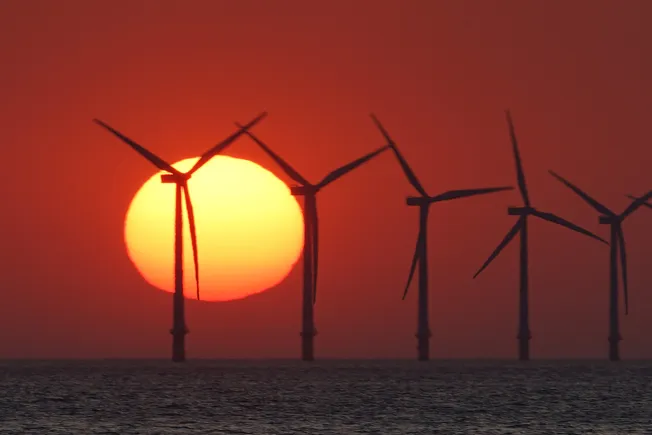
- President Donald Trump started his second term recently by signing several executive orders. One of these orders halts all federal waters from being considered for offshore wind leasing and pauses the approval of all wind projects, both onshore and offshore. The Secretary of the Interior, Doug Burgum, a former governor of North Dakota, will oversee a full review of how the government leases and permits these wind projects.
- The order points to possible legal issues with the government’s approach to leasing and permitting for wind projects, expressing worries about navigational safety, transportation, national security, commercial interests, and marine wildlife.
- On the same day, Trump declared a national energy emergency and initiated a regulatory freeze.
Analysis:
Trump has often criticized both onshore and offshore wind energy, though North Dakota experienced significant growth in this sector under Burgum’s leadership. Wind energy output in the state more than doubled from 2015 to 2023 and now provides a significant portion of the state’s electricity.
The order states that this withdrawal will take effect on January 21, 2025, and remain until the presidential memorandum is revoked. According to sources, the pause will last for six months as Trump requested the order be drafted.
In response, Jason Grumet, CEO of the American Clean Power Association, voiced support for the reforms to speed up energy development. However, he opposed broad measures that would restrict wind energy growth on federal lands and waters, indicating a contradiction in the administration’s goals.
The Natural Resources Defense Council highlighted that wind energy is crucial, currently supplying over 10% of the nation’s electricity. Most onshore wind projects occur on private land, meaning they aren’t affected by federal measures. The top wind-producing states include Texas, Iowa, Oklahoma, and Kansas, employing over 131,000 Americans across all states.
Trump’s energy emergency order emphasizes that the U.S.’s current energy output and mineral resources are insufficient for the country’s needs. It instructs federal agencies to use emergency powers to enhance domestic energy resource management.
The regulatory freeze means that no new rules can be proposed until a Trump appointee confirms them, pushing for a review of any pending regulations initiated before his second term.
The order suggests that if any actions taken prior to January 20, 2025, contradict this memorandum, adjustments may be made.