

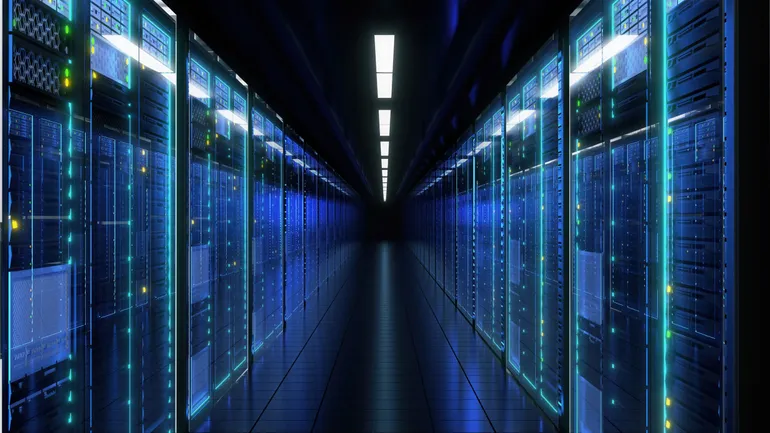
As artificial intelligence (AI) continues to reshape various sectors, including healthcare, finance, and smart cities, the need for data processing has surged. AI-powered data centers are essential for supporting these advancements. However, as the demand for AI grows, there are increasing concerns about the impact of these energy-intensive facilities on our power grids.
Take, for example, Meta’s significant $10 billion AI-optimized data center in Louisiana. This large-scale center is engineered to handle substantial computational tasks required by AI, leading to substantial electricity consumption. As AI integrates further into daily life, the strain on our power grids is expected to intensify. Nevertheless, AI doesn’t necessarily have to burden the grid negatively. By employing thoughtful strategies, we can effectively lessen the environmental impact and infrastructure costs of these facilities. The challenge is not whether AI will affect the grid, but rather how we can harness it positively while maintaining our commitment to sustainability.
Energy Efficiency: The First Step
Data centers are often perceived primarily as energy consumers, but there are many opportunities to enhance their energy efficiency. A key strategy for minimizing the impact of AI data centers on the grid is improving their operational efficiency.
Cooling systems are a major contributor to energy consumption in data centers. Traditional HVAC systems, which keep servers cool, can be inefficient. Fortunately, innovative cooling methods like liquid cooling and immersion cooling are beginning to replace outdated systems, significantly lowering energy usage — something that is crucial when every watt matters.
Additionally, advancements in hardware, such as energy-efficient processors and GPUs, are enhancing the performance-to-energy ratio of data centers. While these innovations might not always headline the news, their combined effect on reducing energy consumption can be significant. Data centers should be encouraged to implement these energy-saving technologies to decrease their operating costs and lessen their impact on the grid.
Renewable Energy: Toward a Greener Future
It’s important to note that data centers do not need to rely on fossil fuels. Many tech giants, like Meta, are committing to operate their data centers entirely on renewable energy. Transitioning to clean energy is one of the most effective ways to alleviate grid pressure. By utilizing wind, solar, and other renewable sources, AI data centers can meet energy needs without adding to greenhouse gas emissions.
This transition, however, requires collaboration with renewable energy producers and utility companies. Power purchase agreements (PPAs) are essential here, allowing data centers to secure renewable energy directly from producers. This ensures that energy demands are met without straining the power grid. Furthermore, on-site renewable energy generation can dramatically reduce dependency on the grid during peak demand, allowing data centers to become self-sufficient and minimize local grid pressure.
Modernizing the Grid: Preparing for Future Needs
While enhancing data center efficiency and embracing renewable energy are critical, we also must focus on updating the grid itself. The current grid system wasn’t designed to handle the high, sometimes unpredictable, energy demands of AI data centers. As these facilities become more widespread, the grid must adapt accordingly.
Smart grid technology can play a vital role in this evolution. This modernized infrastructure uses sensors and real-time data to optimize energy distribution. Smart grids allow utilities to adjust power flows dynamically based on demand, ensuring energy is sent where it’s needed most. Integrating AI into grid management will help anticipate shifts in energy needs driven by data centers, promoting overall grid stability.
Additionally, energy storage solutions are necessary because renewable energy is, by nature, intermittent. With energy storage systems like large batteries, data centers can store excess energy generated during low-demand periods and use it when demand spikes, reducing their reliance on the grid during critical times.
Demand Response: A Collective Effort
Data centers can play a significant role beyond their own operations by participating in demand response programs. These initiatives encourage businesses and homeowners to lower their energy use during peak periods, alleviating grid stress. Since data centers can often alter their workloads to avoid peak times without compromising performance, they are prime candidates for these programs. Their involvement can significantly ease grid strain, especially during critical times, like hot summer afternoons.
Ultimately, ensuring grid stability requires a shared commitment. Although AI data centers consume considerable electricity, they are well-equipped to manage their energy use intelligently. Instead of compounding the grid’s challenges, these centers can contribute solutions by participating in demand response initiatives, balancing supply and demand, and reducing the risk of power outages.
Collaboration: A Holistic Approach to Sustainability
Mitigating the effect of AI data centers on the power grid is not solely the responsibility of the data center operators. It demands teamwork among technology firms, utilities, policymakers, and local communities. Governments play a crucial role by providing incentives to adopt clean energy and energy-efficient practices. At the same time, utility companies need to advance the grid’s capabilities to meet the growing demands of AI data centers and other large energy users.
Moreover, fostering transparent dialogue with communities is essential. Local governments and residents must be involved in discussions regarding the influence of AI data centers on energy infrastructure. Through collaboration, we can ensure these facilities positively contribute to local economies and the environment.
Conclusion: Envisioning a Sustainable Future
The emergence of AI brings vast possibilities for innovation, but it also raises significant energy consumption challenges. AI data centers are pivotal to technological advancement, but they must be designed to mitigate their impact on the power grid and the environment.
By concentrating on energy efficiency, utilizing renewable energy sources, modernizing grid infrastructure, and engaging in demand response programs, we can lessen the burden these centers place on power systems. Ultimately, we must strike a balance between progress and sustainability. As we strive for a cleaner, smarter future, we must ensure that the growth of AI does not come at the expense of our planet or energy systems.