

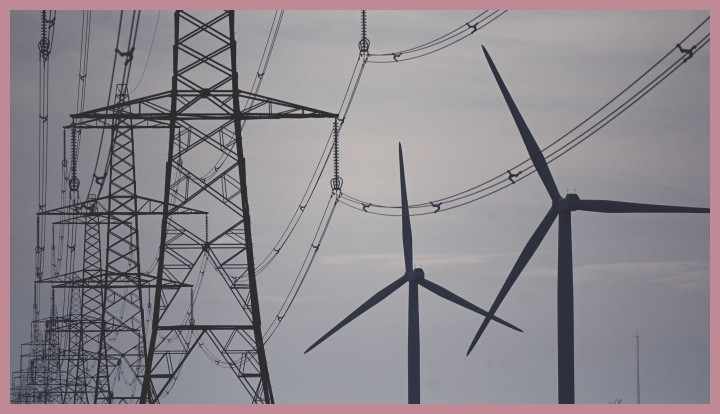
UK ministers are preparing to introduce their largest renewable energy subsidy auction to help meet ambitious clean energy targets, according to recent government statements.
Energy Secretary Ed Miliband is set to unveil the “Clean Power 2030 Action Plan” on Friday, detailing the government’s strategy to decarbonize the nation’s electricity grid by the end of the decade. This initiative was highlighted last week by Prime Minister Sir Keir Starmer as one of his key goals.
The UK government supports low-carbon electricity projects through “contracts for difference” (CfDs). This system ensures developers receive a fixed price for the electricity they generate, typically over a span of 15 years, which is funded through a charge on consumer bills.
In September, the new Labour government revealed the outcomes of a CFD auction, which successfully funded 131 clean energy projects. These initiatives will generate 9.6 gigawatts of energy capacity, sufficient to power around 11 million homes.
This announcement came after a failed auction round in 2023 under the previous Conservative government, where no bids were received from offshore wind developers due to insufficient subsidies to cover rising costs.
Ministers are now discussing plans for the largest auction in 2025 to achieve the 2030 target of 95 percent low-carbon electricity, with gas-fired plants providing backup during low renewable output periods.
One government official mentioned, “Considering the long preparation times for projects like offshore wind farms, it makes sense to initiate the CFDs now and have a major auction round as soon as possible, likely next year. It would be the biggest we’ve organized to date.”
However, this approach could raise concerns amid growing scrutiny of energy costs. Developers are required to reimburse consumers if the wholesale price exceeds the fixed price set in the auction.
Miliband has claimed that these plans could lower bills by up to £300 by 2030, although this assertion has faced skepticism from various critics.
The budget for September’s auction was pegged at £1.56 billion per year, but the actual expenses will depend on wholesale electricity prices at the time projects commence.
Reaching Labour’s 2030 target necessitates a significant increase in renewable energy projects, including both onshore and offshore wind and solar power, as well as the infrastructure needed for electricity distribution.
This goal also includes extending the operational life of some current nuclear power stations to maintain a steady supply of “baseload” power that is unaffected by weather changes.
A report released last month by the National Energy System Operator indicated that households and businesses might need to adjust their electricity usage patterns, such as charging electric vehicles or running appliances during off-peak hours when demand and prices are lower, to meet the 2030 target.
To achieve their goals, Britain will need to expand its offshore wind capacity from 15 GW to between 43 GW and 50 GW, increase onshore wind from 14 GW to 27 GW, and triple solar power from 15 GW to 47 GW by 2030.
An insider noted that holding a substantial CFD auction next year aligns with the findings of the Neso report, highlighting the need for fast-tracking the development of renewable energy.
The country is expected to maintain 4.1 GW of nuclear power by 2030, partially through the Sizewell B nuclear power station in Suffolk and by extending the lifespan of at least one other facility.
The Department for Energy Security and Net Zero stated, “We are collaborating with industry to enhance the Contracts for Difference (CfD) scheme and other energy policies further.” They also emphasized the urgency of delivering the next round expeditiously, with added supply chain support, and promised to share more details soon.