

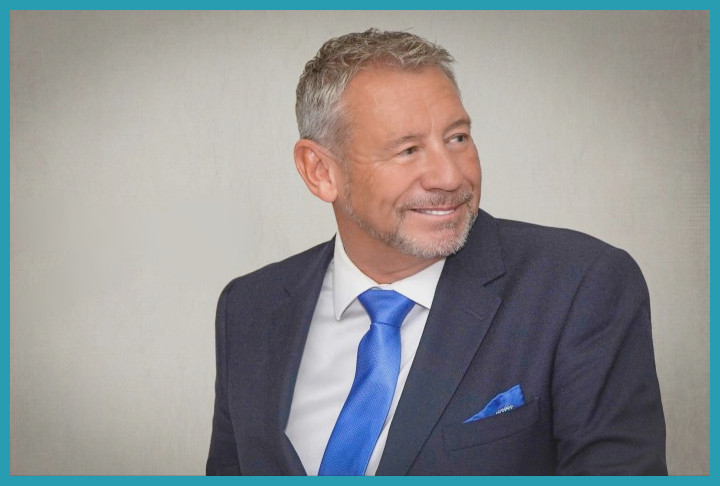
John Bell, the managing director of Gulfsands Petroleum, has urged for a reevaluation of sanctions against Syria to allow outside oil operators to re-enter the market. He believes that this would help increase production and give the war-torn country a chance to recover.
Bell spoke out following the recent overthrow of Bashar al-Assad’s regime by a rebel coalition, which has been under sanctions from Western governments since 2011. Gulfsands operates in northeastern Syria, an area controlled by the Kurdish-led Syrian Democratic Forces (SDF).
Before the sanctions were implemented, several companies from Europe and North America invested in Syria’s oil and gas sector. However, Gulfsands held a unique position, focusing specifically on its interests in Block 26, near Al Hasakah, which it refers to as its “core assets.”
Prior to 2011, Syria’s oil output stood at about 400,000 barrels per day, but has since plummeted to around 80,000 barrels daily. Bell emphasized that with the right legal structures and safeguards, modifications to the sanctions could pave the way for international firms to return.
Since the sanctions took effect, Gulfsands has missed out on revenue from Syrian production and has claimed that certain SDF factions have been illegally extracting oil from their fields since 2017.
The company delisted from London’s junior Aim market in 2018 and has shifted its focus to acquiring oil assets in other Middle Eastern regions. Illicit oil from Block 26 has been sold at significantly lower prices compared to the market price, currently around $73 per barrel.
Bell argues that allowing Western companies back into the country would lead to price increases in oil and boost output. He proposed a system with third-party oversight to ensure oil revenues are funneled into rebuilding efforts and humanitarian initiatives. “Rather than selling 80,000 barrels at $15 or $16 each, legalizing the process could help return production to 400,000 barrels a day,” Bell said, highlighting the potential to accelerate recovery and fund essential humanitarian programs.
Bell asserted that only the oil and gas sector could bring in sufficient revenue for Syria’s reconstruction. He criticized the current rebel groups for their poor management of oil resources.
Other companies like Shell, Total, and Suncor have also paused operations in Syria but have not publicly stated whether they are planning a return to the region.
The rebel group most responsible for the regime change, Hayat Tahrir al-Sham, is considered a terrorist organization by many Western nations, complicating the potential for renewed trade and investment.
According to Bell, it’s still early for the company to engage in formal discussions about returning to Syria, but they are closely monitoring the situation. He expressed optimism that the new authorities would honor existing oil production agreements, though the new government has yet to clarify its stance on foreign involvement in the oil and gas sector.
The UK Foreign Office has not provided any comments regarding plans to ease sanctions or support the return of Western oil companies.