

In recent years, India has made remarkable strides in the renewable energy sector, particularly in solar energy. Just three years ago, the nation announced an ambitious goal of achieving nearly 500 gigawatts of renewable energy capacity by 2030, positioning itself as a leader in the global solar market. However, fresh allegations of corruption against the country’s largest solar operator have cast a shadow over these efforts.
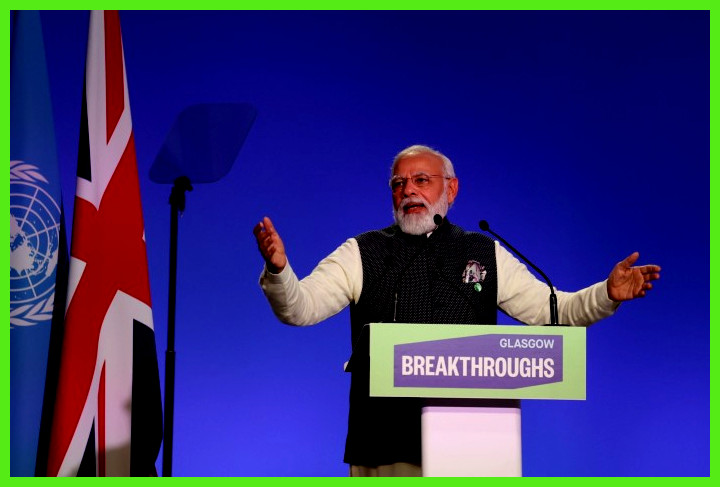
As Indian Prime Minister Narendra Modi was being celebrated for his climate initiatives during the November 2021 climate talks, Gautam Adani, billionaire and head of the Adani Group, came under scrutiny from U.S. authorities regarding a purported bribery scheme aimed at securing solar deals.
According to a recent indictment, Adani and his associates allegedly offered $265 million in bribes to Indian officials in 2021, with Adani himself accused of meeting with a government official to influence decisions improperly.
These allegations have raised concerns about the future of India’s solar ambitions. Analysts believe that this could hinder financing for upcoming projects as foreign investors may reconsider the risk associated with investing in India’s solar sector.
The troubles reportedly began about six years ago when Indian authorities recognized the need to boost domestic solar panel production amid increasing dependency on Chinese solar technology. To counter this, India imposed tariffs on solar imports from China in 2018 and launched a unique tender requiring companies to both generate power and manufacture solar panels.
This approach initially faced challenges in attracting interest, but eventually, companies like Adani Green Energy and Azure Power secured significant contracts. However, unforeseen complications arose when regional electricity distributors hesitated to buy electricity at the prices agreed upon.
As the situation dragged on without final contracts, U.S. prosecutors allege that executives at both companies resorted to corruption, including a substantial bribe of $228 million to an official in Andhra Pradesh. Several contracts were finally signed later in 2021, allowing Adani Green to finalize what was touted as the world’s largest green power purchase agreement.
Currently, Adani Green is the largest solar operator in India by capacity and reported significant profits. However, the troubling allegations have created setbacks. None of the major projects tied to the alleged bribery scheme have been completed, and many developers are facing difficulties securing vital electricity sales contracts.
Industry analysts warn that the implications of the bribery allegations could deter international investment in India’s solar sector. In response to the U.S. charges, TotalEnergies, a key foreign partner of Adani, halted new investments in joint projects.
The opposition party expressed concerns about how these issues may affect the quality and cost-effectiveness of solar projects in India. With limited players able to handle large-scale solar projects, the situation poses risks to India’s ambitious plans for renewable energy growth.
Despite these challenges, India has made significant progress in renewable power, increasing its capacity from around 150 gigawatts to over 200 gigawatts. However, recent adjustments to its timeline pushed back the 500-gigawatt target to 2032, revealing ongoing issues such as an underprepared electricity grid obstructing future advancements.
In summary, while India has made notable advancements in its renewable energy endeavors, the ongoing corruption allegations and subsequent changes in strategy present significant hurdles to achieving its ambitious climate goals.