

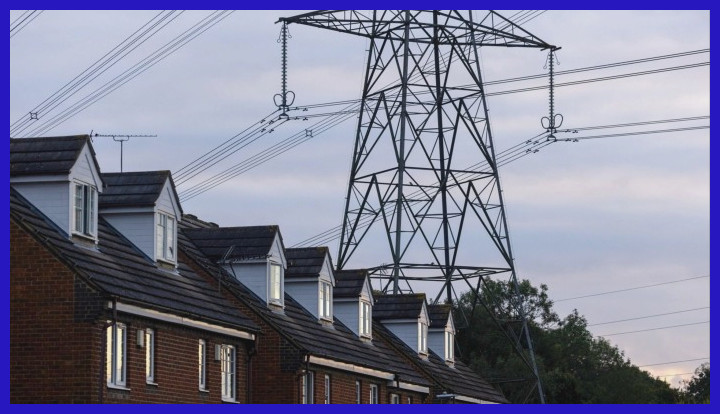
The UK government is facing urgent calls to address the high electricity prices that are hindering efforts to achieve green energy goals. Piers Forster, the interim chair of the Climate Change Committee, emphasized that while the growth of renewable energy in the UK has been successful, the rising costs of electricity are making it difficult to transition more sectors, like heating and transport, to electric solutions.
Forster noted that lowering electricity prices could enhance the appeal of heat pumps and electric vehicles. He stated that “the best way to stimulate demand for heat pumps is to reduce electricity prices compared to gas.”
His comments follow recent actions by the Labour government, which reduced penalties for boiler manufacturers who do not meet heat pump sales targets and is also contemplating easing regulations on electric vehicle sales.
Switching households from gas boilers, which are prevalent in the UK, to heat pumps and promoting the use of electric vehicles are essential steps to meet the UK’s target of net zero carbon emissions by 2050. Currently, under the existing energy price cap, electricity costs consumers 24.50 pence per kilowatt-hour, while gas is much cheaper at 6.24 pence per kilowatt-hour.
The International Energy Agency highlighted that the UK had the highest electricity prices among OECD countries in 2023. The pricing system here means that the wholesale price of electricity is dictated by the most expensive source needed to meet demand, which often comes from gas-fired power plants.
Additional costs for renewable energy subsidies and support for low-income households are also included in electricity bills, accounting for about 16% of total costs in recent months, compared to just 6% for gas.
Forster criticized the extra costs imposed on electricity bills, arguing that they are unnecessary. He suggested that the government and energy markets could explore various adjustments to make electricity more affordable.
In past recommendations, the Climate Change Committee has urged the redistribution of these levies so that consumers who opt for cleaner energy sources are not penalized.
James Dyson, a senior researcher at E3G, further proposed offering discounts on electricity bills for those who switch to greener alternatives.
Earlier, the Conservative government had considered reforms to prevent volatile gas prices from influencing electricity rates but ultimately decided to stick with the current system. Officials believed that major modifications to the market would take too long and argued that, with the increase in renewable sources, gas would play a smaller role in determining prices.
The Department of Energy and Net Zero stated their commitment to making sure that consumers benefit from clean, domestic energy and are currently reviewing the best ways to reduce electricity costs in relation to gas.