

Ecuador’s ambitious Coca Codo Sinclair hydroelectric dam project, which opened in November 2016 and was hailed at $2.2 billion, is now facing severe challenges. Former President Rafael Correa envisioned it as a solution to provide power for every household in the nation, aiming for 90% of electricity to stem from hydro sources, thanks to financial backing from China.
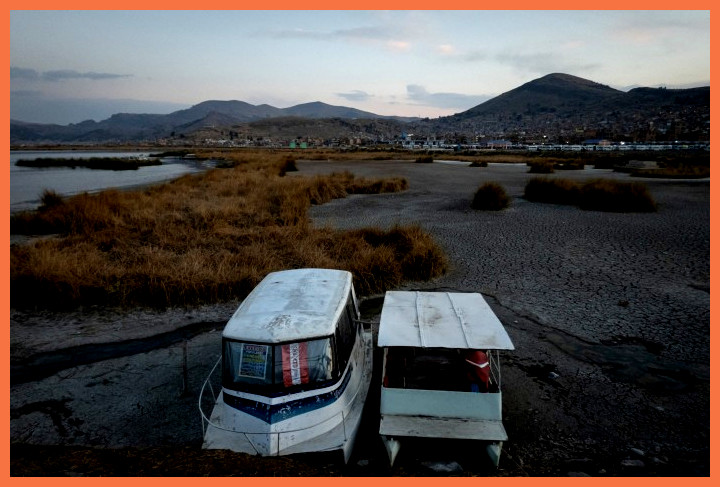
However, just a few years later, the situation has deteriorated drastically. The country is undergoing electricity shortages, with blackouts lasting up to 14 hours a day due to an extreme drought that has left hydroelectric facilities without sufficient water. Nicolás Mongardini, an entrepreneur from Miami, highlights the impact of this situation after recent visits to Ecuador. He notes the energy shortfall is around 1,000 megawatts, largely attributed to the El Niño climate phenomenon and prolonged dry spells affecting water levels in rivers.
The Coca Codo Sinclair dam, once envisioned as a reliable energy source, is now operating at only 30% capacity. This is compounded by construction issues that have led the U.S. Army Corps of Engineers to step in for advice on preventing river erosion and sediment build-up. Many hydropower facilities in nearby Colombia and Peru are also struggling, yet Ecuador, which relies on hydro for about 75% of its electricity, is experiencing more severe difficulties.
David Purkey from the Stockholm Environment Institute remarks on the initial optimism surrounding hydropower in Latin America due to its abundant water resources. However, he cautions that climate change has caught many off guard. Rising temperatures and unpredictable rainfall patterns are disrupting previously stable power generation from hydro sources.
Historically, Latin America was seen as an ideal location for hydroelectric power, home to 31% of the world’s fresh water. But as climate challenges mount, newer dams—with smaller reservoirs—are exhibiting increased vulnerability compared to older facilities. According to the International Energy Agency, average hydropower capacity in the region might decrease by 10% by 2060 due to climate change’s impact.
These prolonged blackouts have negatively affected businesses and placed significant burdens on residents. Incumbent President Daniel Noboa’s standing is on shaky ground as he navigates criticism over crisis management, all while facing an election challenge from a candidate backed by Correa.
In an effort to address the crisis, Noboa has cut import taxes on diesel-powered generators, created incentives for private sector energy projects, and even brought in a Turkish barge for emergency power generation. Critics, however, argue that he should have acted sooner to preserve dam water levels.
Experts emphasize the need for Ecuador and surrounding nations to diversify their energy sources, integrating more wind and solar power, while managing hydroelectric output effectively based on weather patterns. Nonetheless, hydropower will remain a key element for meeting energy needs in the region.