

Brussels is raising concerns about the Netherlands’ new biogas policies. The Dutch government plans to require energy companies to use biogas sourced exclusively from domestic manure and organic waste. This move has sparked a response from the European Commission, which claims such measures could create unfair trade barriers.
In response to this situation, the Netherlands has delayed implementing these new regulations until January 2026. The EU had established significant targets in 2022 to promote biogas, aiming to cut methane emissions—known to be much more harmful than CO₂—and reduce reliance on gas imports from Russia.
Biomethane, derived from materials like animal waste, food scraps, and damaged crops, is viewed as a clean energy option that can complement renewable sources such as wind and solar power.
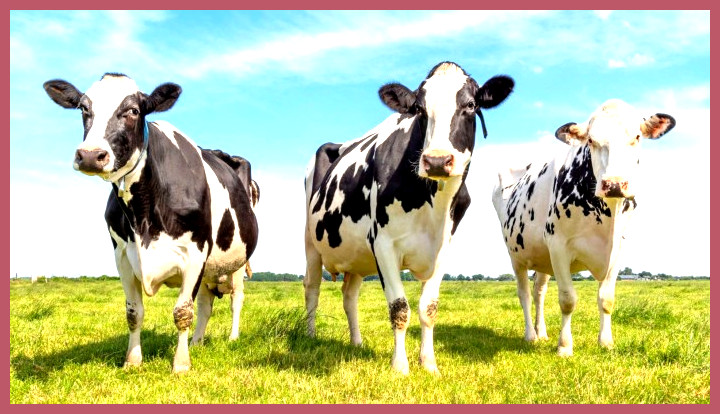
The Netherlands has been facing challenges with excess manure from its large livestock population. Stricter EU regulations have limited how much nitrogen can be applied to fields, leading to an increasing stockpile of manure. To address farmer protests, the Dutch government previously considered requiring local production of biogas as part of its energy strategy.
Under the new plan, the country aims to produce 1.1 billion cubic meters of biogas annually by 2030, with one-third coming from manure, marking a significant increase from current levels. However, the proposal drew criticism from former internal market commissioner Thierry Breton, who believed it unfairly favored domestic production over imported green gas.
Dutch officials contend that without an EU-wide certification for the origin of biogas, they cannot ensure the authenticity of imports. They emphasize the need to meet production goals established by the EU by focusing on local resources instead.
Despite similar obligations being introduced in other EU countries, these have often gone unreported to the Commission. The EU has set a biomethane production goal of 35 billion cubic meters annually, with production increasing significantly in recent years.
The Dutch climate ministry expressed a commitment to boosting the use of green gas domestically and is working with the European Commission to find a mutually acceptable solution that aligns with both local and EU objectives.