

Good morning! Welcome to the latest update on energy developments. Today, we focus on a significant milestone for green hydrogen production as Norwegian company Nel has expanded its factory in Wallingford, Connecticut. This comes at a time when the US hydrogen industry faces challenges due to lower demand and unclear tax credit regulations.
In the electric vehicle arena, Chinese start-up Horizon Robotics has begun trading in Hong Kong, successfully raising $696 million in its initial public offering. This marks the largest IPO in Hong Kong this year, highlighting a push for funding in the intelligent vehicle sector amidst tightening finances for similar companies.
In this newsletter, we explore the financial hurdles stifling Africa’s energy transformation and feature an insightful interview with shale oil mogul Harold Hamm, who shares his views about energy and democracy under a potential Trump presidency.
Africa’s Energy Transition Struggles with Financing
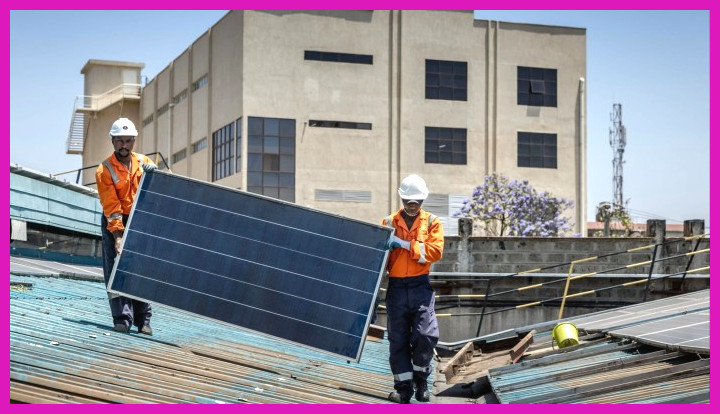
Africa boasts impressive solar and wind resources but only contributes about 1% to the global installed energy capacity and 2% to clean energy investments. Alarmingly, over 600 million people in Africa lack access to electricity—a number that has risen in recent years, according to the International Energy Agency (IEA).
A major obstacle to progress is the high cost of financing. African nations often pay two to three times more for capital compared to developed nations, making it challenging to draw in essential investments for renewable energy projects. The IEA warns that private investment must more than double by the end of the decade to satisfy Africa’s energy demands.
“The cost of capital greatly concerns where investments will come from,” said Lily Odarno from the Clean Air Task Force. “Clean energy projects, which require significant upfront costs, are particularly hit hard.”
Another issue is the scarcity of data on financing costs across the continent, which can lead to unexpected expenses and exacerbate debt levels. A recent report from the Clean Air Task Force highlighted the average cost of capital across Africa, identifying it as 18%, projected to drop to 13% by 2070.
Investment costs vary significantly, with higher expenses noted in East and West Africa in contrast to North Africa. For instance, while the average cost in Libya was about 12% last year, it soared to nearly 25% in Malawi.
Insights from Harold Hamm on Trump and Energy
At a recent energy transition summit, shale oil entrepreneur Harold Hamm discussed the implications of a potential Trump presidency for the energy sector. A notable supporter of Trump, Hamm has contributed around $3 million to his campaign and has been pivotal in organizing fundraising efforts from the oil industry.
He expressed staunch criticism of the Biden administration’s energy strategies, especially regarding offshore oil leasing and natural gas approvals. Hamm believes the significant oil production achieved recently can be credited to policies established during Trump’s previous term rather than current leadership actions.
As the November election approaches, Hamm emphasized that American democracy would remain secure under a Trump administration, despite controversies surrounding the 2020 election results and the Capitol attack on January 6, 2021.
Hamm also reflected on the energy transition in Europe, chastising leaders and companies for prematurely moving away from fossil fuels without adequately considering energy security.
Conclusion
The path toward a green energy future remains fraught with obstacles, particularly in Africa, where financing woes heighten the difficulties faced. Meanwhile, discussions around political leadership in the U.S. could shape the direction of the energy industry for years to come. Stay tuned for more updates as these stories develop!