

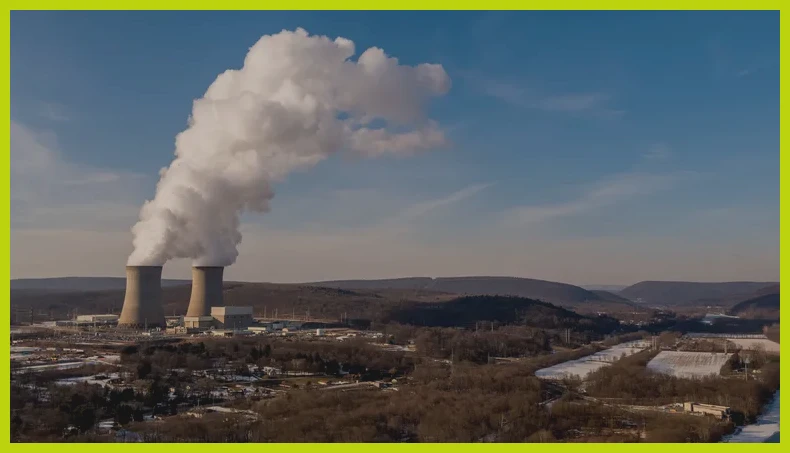
Biden Administration Unveils Plan to Expand U.S. Nuclear Energy Capacity
The Biden-Harris administration has recently announced an ambitious plan aimed at significantly increasing nuclear energy production in the United States. The outlined strategy aims to at least triple the country’s nuclear generation capacity by the year 2050. This will involve the introduction of 200 gigawatts (GW) of new capacity, coming from various sources, such as newly built reactors, restarting previously shut-down plants, and upgrading existing facilities.
By 2035, the administration seeks to have 35 GW of this new nuclear capacity either operating or under construction, with a goal to reach a steady deployment rate of 15 GW annually by 2040. This plan has been recognized as an extensive commitment to nuclear power, underscoring the Biden administration’s support as well as collaboration from bipartisan lawmakers. Elina Teplinsky, a key figure in the stakeholder engagement process for the plan, highlighted its importance in guiding the current administration’s actions using existing resources.
Last year, the U.S. joined 25 other countries in a declaration aiming to triple global nuclear energy production from 2020 to 2050, which aligns with the objective of achieving a net-zero emissions economy by 2050. While past administrations, including Donald Trump’s, supported nuclear energy production, they did not set a clear net-zero target.
Despite this ambitious roadmap, it has faced criticism from various environmental groups. Lisa Frank, the Executive Director of Environment America, expressed concerns over potential environmental risks associated with nuclear energy expansion, including the possibility of hazardous accidents. Similarly, representatives from U.S. PIRG criticized nuclear power as risky and suggested focusing on safer, more affordable alternatives such as solar energy.
The Biden administration’s blueprint aims to improve the framework for nuclear energy expansion by enhancing cooperation between government agencies and the private sector. It focuses on constructing large reactors, small modular reactors, and microreactors while also considering the extension and upgrading of existing reactor licenses.
Policy highlights also include improvements in licensing processes, workforce training, and development of the supply chain needed for nuclear fuel and components. Recent legislation has allocated new funds to enhance these initiatives and streamline nuclear regulatory processes.
As the nation looks toward the future of energy production, the roadmap suggests that existing nuclear sites could play a vital role in hosting new reactor capacity, with significant potential identified at both operational nuclear sites and locations previously used for coal-fired plants.
This plan indicates a major shift in the U.S. energy landscape, emphasizing a critical role for nuclear energy in achieving national goals for sustainability and emission reductions.