

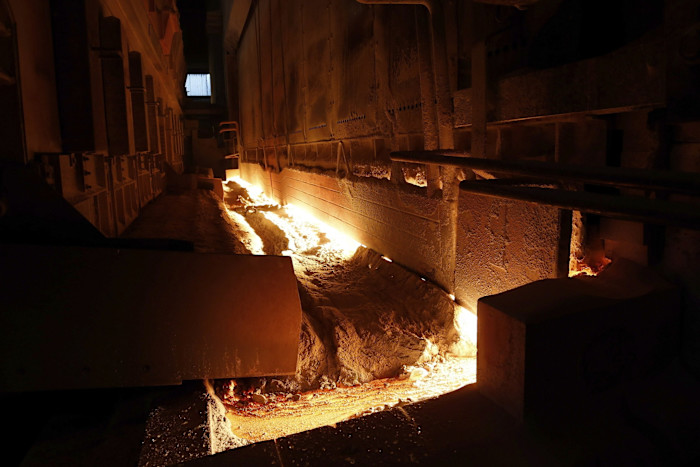
Pilkington’s glass factory located in St Helens, England, operates furnaces that reach temperatures of 1,500°C, requiring a constant supply of fuel. Chris Dye, who manages renewable energy procurement at NSG Pilkington, emphasizes that the furnace must remain hot for an extended period—approximately 15 years.
Currently, the factory relies on methane gas sourced from the North Sea or imported globally. However, the company aims to transition to a more eco-friendly energy source in the future, with hydrogen appearing to be the most viable option. This is because hydrogen can reach the necessary high temperatures and is expected to attract government subsidies.
Hydrogen production can be categorized into two types: “blue” hydrogen, created by extracting hydrogen from natural gas while capturing any carbon emissions, and “green” hydrogen, produced by using electricity from renewable sources to split water.
Unfortunately, the UK’s plans for developing low-carbon hydrogen have hit delays, primarily due to high costs and the complexities involved in coordinating multiple industries. These issues may hinder the decarbonization efforts of factories in the industrial region between Liverpool and north Wales, where natural geological formations could aid hydrogen storage.
Jaguar Land Rover, for instance, is among the companies looking to transition from natural gas to hydrogen at their Halewood plant. Neil Hewitt, their sustainability operations manager, has stated they are committed to reducing emissions and believes hydrogen is suitable for their high-temperature processes.
In hopes of reaching ambitious hydrogen production targets, the previous Conservative government aimed to establish one gigawatt of low-carbon hydrogen capacity by the end of 2025, eventually increasing it to 10 gigawatts by 2030. However, these targets have yet to materialize. The current Labour government’s hydrogen strategy has also been delayed, facing challenges from budget constraints and the pressing need to lower energy costs.
Critics question whether prioritizing hydrogen is the best approach, considering the financial hurdles. Dye noted the difficulties glass manufacturers face when switching clean fuels due to the high temperatures they require. The government has indicated plans to support hydrogen producers with price guarantees to make it competitive against fossil fuels.
A deal is in the works with EET Hydrogen, part of the Essar group, for a 350-megawatt hydrogen plant at the Stanlow oil refinery. This facility would utilize hydrogen produced from natural gas for its operations, while capturing emissions and storing them offshore.
Despite the uncertainties surrounding hydrogen, experts suggest pursuing its production could build expertise to benefit the industry in the future. Still, concerns remain regarding the economics of using blue hydrogen for glass manufacturing; some experts suggest it may prove more costly than expected.
The government has pledged to support electrolytic or green hydrogen projects, with plans to guarantee prices for the first batch of projects. Companies like Saica and Unilever are exploring hydrogen options but ultimately note the current lack of infrastructure and readiness for widespread use.
The government’s upcoming hydrogen strategy aims to unlock investments and create jobs in the clean energy sector, but some firms are hesitant to wait for plans to materialize, seeking alternatives in the meantime.