

A complaint aimed at reversing the Midcontinent Independent System Operator’s (MISO) $22 billion Tranche 2.1 regional transmission portfolio has met with significant pushback. This was highlighted in comments submitted to the Federal Energy Regulatory Commission (FERC) on Tuesday.
The request to dismiss the complaint came from multiple parties, including MISO itself, six utility commissions, AES Indiana, Ameren, Xcel Energy, and various other utilities. Consumer-focused groups, such as the Illinois Citizens Utility Board and even Iowa’s governor, have also shown their support for MISO.
On the other hand, those backing the complaint are mainly organizations representing large energy users, like the Wisconsin Industrial Energy Group and the Electricity Consumers Resource Council, along with MISO’s market monitor.
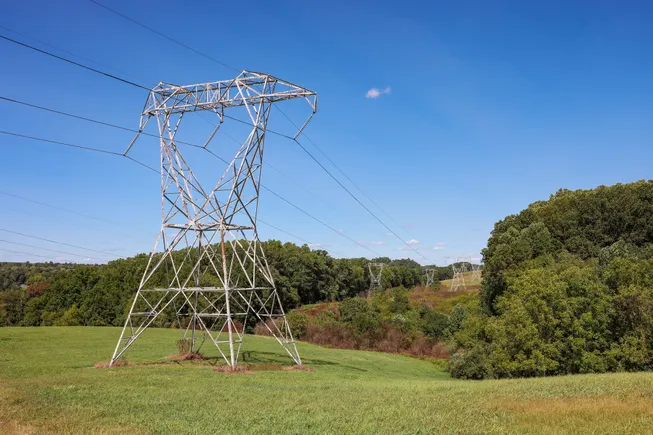
The complaint was filed on July 30, and utility commissions from states including Arkansas and Louisiana argue that MISO’s modeling and assumptions were flawed, leading to an inflated view of the benefits from the Tranche 2.1 portfolio. Approved by MISO’s board last December, this portfolio includes 24 transmission projects that form a substantial backbone spanning 3,631 miles. These projects are expected to commence operations between 2032 and 2034.
MISO has urged FERC to dismiss the “deficient and misleading” complaint, asserting that its development of the portfolio adhered to its FERC-approved rules through a stakeholder-led process. They emphasized that the approval of Tranche 2.1 occurred nearly eight months ago. Any delays or changes could jeopardize crucial reliability and interconnection efforts.
The pressure on FERC is considerable. MISO warned that approving the complaint could stifle transmission development across the nation. Observers from other regional transmission organizations are watching closely, as the decision could set a precedent that might impede future projects.
Utility commissions from Illinois, Michigan, Minnesota, and Wisconsin stand firm in their belief that MISO’s planning process for Tranche 2.1 was thorough and transparent. They highlighted that stakeholders were given ample opportunities to weigh in throughout the planning process.
Further support for MISO’s position has come from ratepayer organizations, which argue that the planning process could yield considerable savings and enhance reliability. Joint comments from several consumer boards indicate that the Tranche 2.1 portfolio is vital for addressing reliability concerns across the Midwest.
Conversely, large energy user groups have called for FERC to back the complaint, arguing that the costs associated with Tranche 2.1 outweigh its benefits. They claim that some of the metrics MISO used to assess the portfolio’s efficacy are based on unrealistic assumptions.
These debating points raise questions about MISO’s transmission planning process and whether it requires more regulatory oversight. Notably, FERC is being urged to reevaluate the Tranche 2.1 portfolio using updated assessments and future scenarios, signifying that this decision could have long-lasting implications for energy infrastructure planning.