

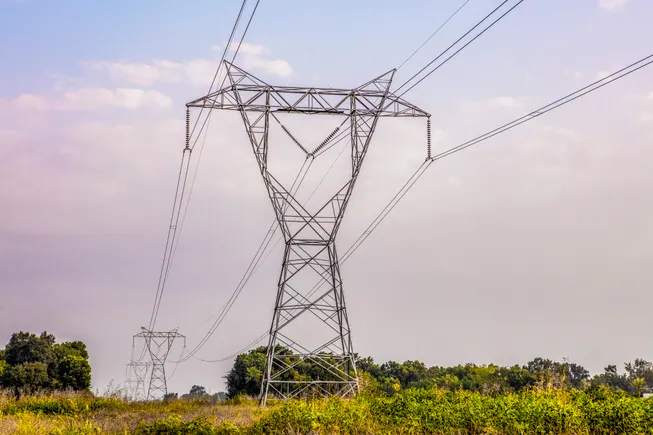
As various sectors of the U.S. economy shift from fossil fuels to electricity, state regulators face mounting challenges. This includes the New York Public Service Commission, which must evolve the power grid quickly while maintaining reliability and affordability. In New York, home to some of the oldest grid infrastructure in the nation, addressing this issue is urgent.
In response, New York is leading the way in rethinking electricity system planning and operation. A big part of this involves grid-enhancing technologies (GETs), which directly improve the electricity system’s performance. GETs include dynamic line ratings for better power flow under favorable conditions and advanced power flow control devices that optimize electricity distribution. Many GETs can be implemented much faster than traditional upgrades, making them a cost-effective solution during this transition.
The ability to quickly deploy GETs is especially valuable given the rising demands from industries like chip manufacturing and electric vehicles. These loads are starting to emerge rapidly, requiring innovative solutions from grid operators.
In New York, utilities are already applying this approach. On the New York State Thruway, utilities are preparing for an influx of electric vehicle charging stations that increase electricity demand drastically. A single charging station with eight high-capacity chargers can consume as much electricity as over 1,000 homes in just minutes. Recently, the New York PSC approved a project using mobile energy storage units to improve reliability and manage peak demand at charging sites, allowing for faster and more scalable infrastructure development.
This strategy enables the state to meet the growing electricity demand five years sooner and at just one-sixth the cost of traditional solutions. It offers a temporary yet flexible alternative to permanent infrastructure, which is crucial in an evolving policy environment.
However, the rollout of GETs requires thorough planning to ensure efficiency and cost-effectiveness. To support these initiatives, the PSC has launched new planning processes that integrate GETs more systematically into grid development. New York is adopting a regulatory framework that considers these technologies essential for future planning rather than an afterthought.
New York’s innovative approach is being observed by other states grappling with similar issues, presenting a potential new model for affordable and timely grid investment. By rethinking existing infrastructure and enhancing its use, states can address immediate needs more effectively. New York aims to collaborate with other areas, sharing insights and successful strategies as part of a broader effort to improve energy systems.
With various pressures like rising demand and aging infrastructure, compounded by shifts in federal policy, states are challenged to find quick, cost-effective solutions. Collaborations in planning, data sharing, and documenting best practices can help bridge this gap. By prioritizing GETs in proactive planning, New York is dedicated to supporting economic development while ensuring energy affordability for its residents.