

Dive Brief:
- General Motors (GM) has teamed up with battery recycling company Redwood Materials. They signed a non-binding agreement to enhance energy storage solutions using new and used batteries from GM’s electric vehicles.
- This collaboration is part of Redwood’s new division, Redwood Energy, which focuses on creating and implementing cost-effective energy storage systems. These systems aim to support the rising power needs of AI-driven data centers and other sectors.
- Kurt Kelty, GM’s VP of batteries, highlighted the urgent need for quick and affordable energy storage solutions to meet the increasing electricity demand in the U.S.
Dive Insight:
Redwood Materials is working to develop a domestic supply chain for battery manufacturing catered to energy storage solutions.
The company currently recycles about 20 gigawatt-hours of batteries each year, which equates to around 250,000 electric vehicles. This accounts for approximately 90% of all lithium-ion batteries recycled in North America.
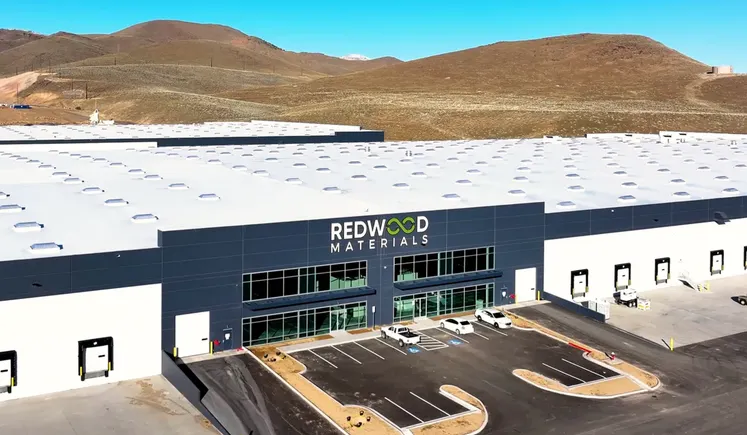
GM has also provided used batteries to Redwood, which are being utilized in what they describe as the largest second-life battery project in the world, located in Sparks, Nevada. This facility powers AI infrastructure provided by Crusoe.
JB Straubel, founder and CEO of Redwood, emphasized the rapid increase in electricity demand fueled by AI and the electrification of various sectors. He noted that both new and second-life EV batteries can be integrated into Redwood’s storage systems, contributing to America’s energy independence.
The rising power requirements for AI data centers are significant. By 2028, the share of electricity used by these centers is projected to increase significantly, underscoring the need for additional energy storage solutions to manage peak demands and prevent outages.
In May 2024, Redwood announced plans to recycle materials from GM’s Ultium Cells battery facilities. The recycled materials will be repurposed for new battery production.
Redwood is also collaborating with major companies like Toyota, Ford, and Volvo on battery recycling projects in the U.S. These partnerships aim to enhance the sustainability of electric vehicle batteries and reduce dependence on foreign raw materials.
In September, Redwood and BMW revealed plans to recycle second-life batteries across BMW dealerships to recover important minerals like lithium and nickel, striving to reintegrate these resources back into the domestic market.
Established in 2017 by JB Straubel, a former Tesla executive, Redwood has made significant strides in battery recycling. In early 2023, the company secured a $2 billion loan commitment from the Department of Energy to further expand its recycling efforts to meet the growing demand for electric vehicles in the U.S.
Further details about GM and Redwood’s collaboration are expected to be shared later this year.