

Globalization is based on a straightforward and appealing principle: produce items in places where it is most affordable and then transport them as needed. However, this system only functions effectively if the trade environment remains stable. If one of your trading partners can misuse their position to pressure you, it may be wiser to spend a bit extra to maintain control over essential resources.
A clear example of this shift from prioritizing cost-effectiveness to ensuring reliability can be seen in the steel industry. Recently, the UK decided to take over British Steel from its Chinese owner, Jingye, in a move aimed at safeguarding its future. This decision has garnered little controversy, as many consider the potential loss of the UK’s last remaining blast furnaces—key for producing new steel from iron ore—an unthinkable scenario.
This anxiety is driven by several factors, including job security. Moreover, modern technologies, such as electric arc furnaces that melt scrap, which used to be deemed suitable only for lower-quality steel, are now proving otherwise. These technical advancements intertwine with the UK’s historical bond to steel, a material traditionally viewed as central to its industrial legacy.
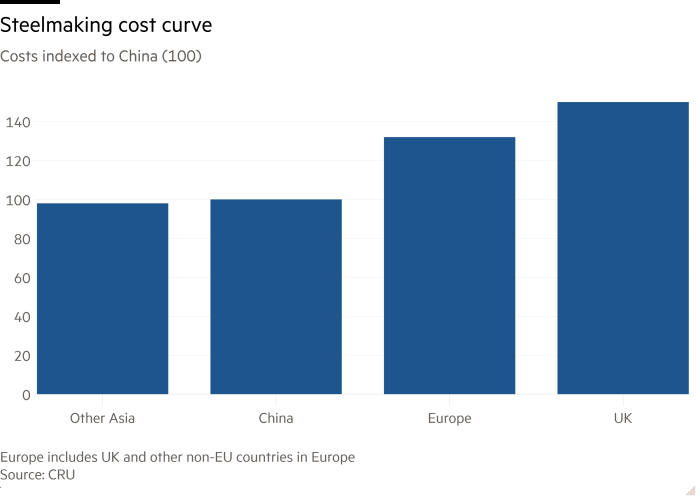
To maintain steel production domestically, continual financial support is essential. Globally, production capacity exceeds demand by around 30 percent. Energy costs significantly influence steel production feasibility, with UK operations being less competitive than those in other parts of Europe.
Consequently, China dominates steel exports, leaving the UK and Europe as net importers. Local steel mills are struggling, with many facing low profitability and the national supply chain showing signs of strain—evidenced by the planned closure of the Manchester-based service center, Malcolm Clarke, this summer.
The situation is further complicated by U.S. tariffs and the necessity for the steel industry in Europe and the UK to reduce carbon emissions to meet net-zero goals. Transitioning traditional blast furnaces to greener methods will require using hydrogen instead of coal, introducing significant new costs and investments.
There are potential solutions; Europe could enhance its competitive edge temporarily through a carbon border adjustment mechanism, essentially taxing the carbon footprint of imported steel. However, in the long run, Europe’s green energy expenses are likely to remain higher than those in regions blessed with more sun and wind.
In conclusion, choosing to produce steel domestically appears more attractive as global trade trust dwindles. With sufficient determination, the furnaces of British Steel can remain operational. Nevertheless, ensuring this security—through direct financial aid, reduced energy costs, or mandatory purchasing quotas—will undoubtedly require taxpayers and consumers to shoulder the burden.