

In the wake of the energy crisis, commodities traders are reallocating their substantial profits into various assets, including petrol stations and power plants, signifying a greater control over intricate global supply chains.
Major trading firms such as Trafigura, Vitol, Gunvor, and Mercuria have reported collective net profits exceeding $57 billion since the year-long invasion of Ukraine commenced in 2022. With Vitol’s 2024 results still pending, this financial boost has prompted these companies to pursue new investments.
These firms are not only focusing on oil but are also branching out into areas like metals trading and biofuels, while investing in more tangible assets, such as ships and refineries.
Marco Dunand, CEO of Mercuria, described this profitable period as “exceptional,” allowing the company to diversify its investments. At a recent commodities summit, he expressed interest in pursuing several projects worth upwards of $500 million each, adding that mining and logistics infrastructure are particularly appealing to them.
Although these trading houses began with oil, many current investments are aimed at adapting to the ongoing energy transition.
Mercuria, Gunvor, and Vitol are establishing large metals trading teams to meet the rising demand for essential materials like copper and aluminum, which are crucial for the shift to cleaner energy, positioning themselves against Trafigura, the largest private metals trader.
Due to their private ownership, these trading firms have been able to provide significant payouts to their shareholders, who are primarily company founders or employees, and enhance their trading platforms.
As competition rises, particularly from hedge funds such as Citadel and Millennium that have rapidly entered the commodities market, these firms are also focusing on strengthening their core businesses by making strategic acquisitions of ships and refineries, which can enhance their longevity in the field.
Jeff Webster, the CFO of Gunvor, noted that the recent wave of high profits has attracted new competitors to the market. He emphasized that while some firms are expanding into new areas, Gunvor is choosing to incorporate physical assets to bolster their trading operations.
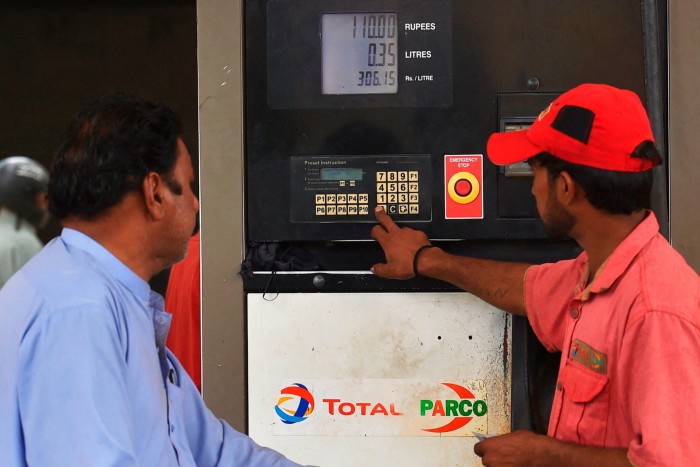
Gunvor reported a net profit of $729 million for 2024, a decrease from its record profits in previous years. The company has strategically invested its earnings into new ventures, like acquiring a significant stake in Total Parco, a petrol station network in Pakistan, and a gas-fired power station in Spain.
Vitol, on the other hand, achieved a net profit of $13.2 billion in 2023, outranking even major oil companies like BP. This has enabled Vitol to expand its assets across the energy sector, including a recent $2 billion acquisition of Preem, a Scandinavian energy firm specialized in biofuels.
For Trafigura, this period has been marred by two significant fraud cases, yet the company is adapting by acquiring new facilities, such as a refinery in France and a gas-fired power plant in Texas.
With strategic asset reviews underway, Trafigura’s new CEO Richard Holtum aims to streamline operations while remaining cautious about excessive asset growth. As they navigate these evolving market conditions, each trading house is looking to harness their profits to reinforce their market positions and explore new opportunities.