

As states on the East Coast face challenges with land use and a growing population, there is a rising sentiment that offshore wind energy could play a critical role in achieving their carbon-neutral electricity deadlines by as early as 2035. However, various hurdles have stirred concerns in these states regarding the development of offshore wind energy.
The previous administration had frozen offshore wind leasing, creating additional obstacles for an industry already grappling with economic difficulties. In addition, an air quality permit for a major offshore wind project in New Jersey was revoked. While a significant amount of wind capacity was under construction last summer, uncertainty about future approvals has led to skepticism about how much of the projected offshore wind capacity will actually be realized.
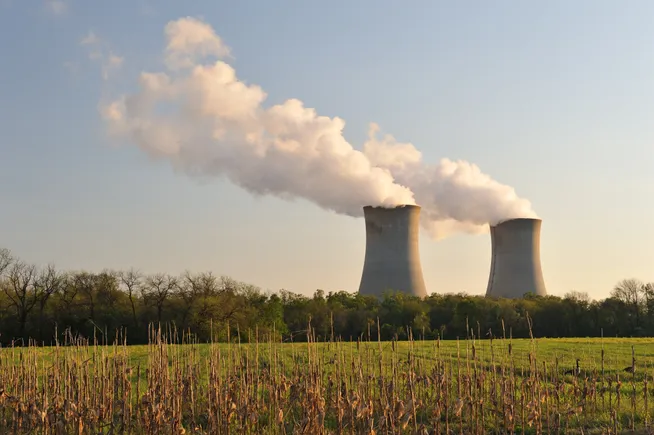
Many states in the region, such as New York, Maryland, and Virginia, are now considering alternative energy solutions, including nuclear power. Recently, they have aligned with the National Association of State Energy Officials to advance nuclear energy initiatives. This collaboration aims to establish policies and financing options that support nuclear projects as a fallback plan or supplementary energy source.
Collaboration Towards Nuclear Development
The Advanced Nuclear First Mover Initiative (ANFMI), created to promote cooperation among states in developing new nuclear technology, consists of eleven states with varying political landscapes. This consortium seeks to standardize reactor designs across states to enhance the efficiency and cost-effectiveness of nuclear projects.
ANFMI aims to foster a consistent pipeline of nuclear projects that capitalizes on shared resources and expertise, potentially driving down costs through collaborative efforts. The initiative is also closely connected to the Nuclear Scaling Initiative, which aspires to deploy 50 gigawatts of nuclear power annually by the 2030s.
State officials have expressed eagerness to implement new reactors, identifying opportunities for coordinating site selection and construction schedules to mitigate project costs. This coordination is essential in helping combat any possible antitrust concerns linked with utility-led collaborations.
Energy companies, such as Constellation Energy and Dominion Energy, have shown keen interest in deploying new reactors in Eastern states. Recently, Constellation announced plans to apply for a federal grant to seek an early site permit for advanced nuclear reactors at one of its clean energy centers in New York.
Similar actions are being taken by Dominion, which is working towards potentially deploying small modular reactors in Virginia with the backing of state legislative support for renewable energy projects, further indicating the growing support for nuclear power.
Maryland is also exploring new legislation that would include nuclear energy in a zero-emissions credit program, creating new funding avenues for nuclear projects. This willingness to financially back nuclear initiatives signals a shift in state energy policies toward a more supportive environment for nuclear development.
Looking Ahead
The necessity for increased power generation accompanies an expected rise in energy demand driven by emerging technologies and growing industries. Many states are now considering their future energy needs and the timeline for replacing aging nuclear plants. As current nuclear facilities age, the momentum behind nuclear energy initiatives will likely be essential to meet both rising energy needs and environmental goals.
While some experts express skepticism about the sincerity of growth in the nuclear sector, the foundations for future projects appear to be laid. The ongoing discussions around energy policies, incentives, and potential federal support will determine the future landscape of energy on the East Coast, especially as states aim to balance their energy portfolios with renewables, nuclear, and other clean technologies.