

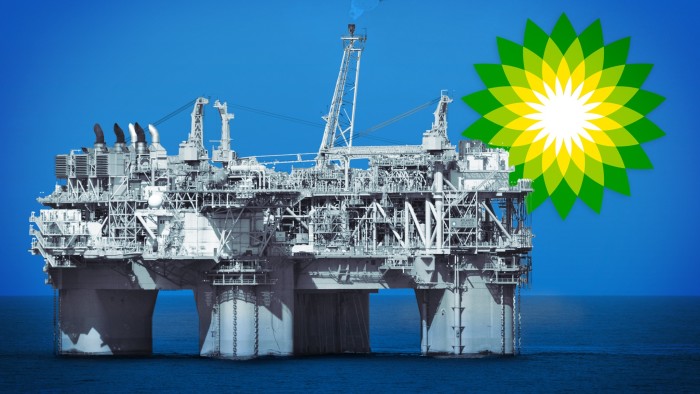
BP has decided to pull back from its ambitious plans to shift into a green energy leader. The company’s recent announcement comes after investor pressure highlighted the challenges and risks associated with its aggressive transition away from fossil fuels over the last five years.
On Wednesday, BP revealed that it would increase its spending on oil and gas by 20%, bringing the total to $10 billion annually. In contrast, it plans to cut its investment in renewable energy by a substantial 70%.
Murray Auchincloss, the chief executive who took over officially in January 2024, described the change as a “fundamental reset” of the company’s strategy. He stated that going forward, BP would abandon its previous goals of reducing fossil fuel production and developing 50 gigawatts of renewable power.
Auchincloss acknowledged that BP had been overly optimistic about how quickly it could transition to green energy. “Our optimism for a fast transition was misplaced. We went too far, too fast,” he said. He emphasized that oil and gas would still be critical resources for many years.
This marks a significant shift from a strategy that aimed to position BP as a leader in the energy transition but ultimately failed to satisfy shareholders due to disappointing returns. The original plan was championed by Bernard Looney, BP’s former chief executive.
Under the new direction, BP is looking to raise at least $20 billion by 2027 through asset sales, which might include its Castrol lubricants division and a portion of its solar business. Auchincloss mentioned that he had already received inquiries about Castrol, indicating interest from potential buyers.
He also mentioned that BP is open to selling various assets, including a part of its new Gulf of Mexico project, Kaskida, if a lucrative offer comes along.
The pressure for change intensified after it was revealed that activist investor Elliott Management had acquired nearly a 5% stake in BP and was advocating for strategic shifts.
After the announcement, BP’s shares declined by 2.3%, reflecting the uncertainty among investors about whether the new strategy would be sufficient to address their concerns.
Auchincloss expressed optimism that as investors digest the information shared on Wednesday, they would begin to see a positive trend in the share price in the upcoming weeks.
Looking ahead, Auchincloss anticipates substantial growth in BP’s oil production and plans to initiate up to 27 new projects in the next five years as the company aims to recover its production capacity. However, he noted that BP’s overall production of oil and gas in 2030 will still be lower than levels seen in 2019.
Despite the radical changes, Auchincloss reassured that BP would retain its goal of being a diversified energy company, emphasizing that their integrated energy model would stand out among peers.
In terms of financial strategy, he indicated that shareholders might experience lower returns in the short term, though he promised to cut costs by at least $4 billion and reduce net debt significantly over the next two years. Analysts believe that while BP’s new direction is sensible for the long run, it may not align with immediate investor expectations.