

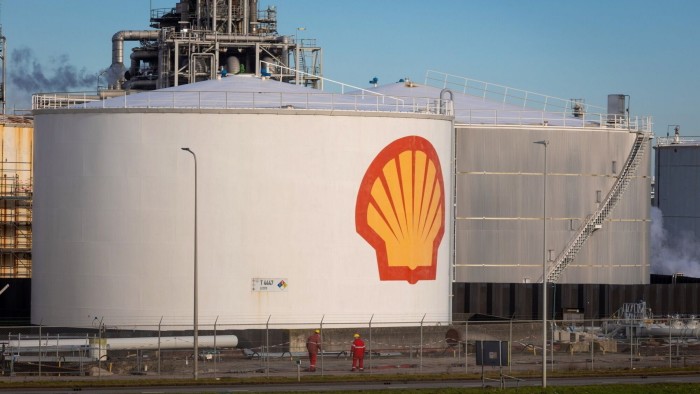
Shell has released its earnings for the last quarter of 2024, showing profits that were lower than analysts had anticipated. The company attributed this decline to write-offs in its oil exploration sector, tighter profit margins, and decreased oil prices.
In adjusted earnings, Shell reported $3.7 billion, which is a significant 39% drop compared to the previous quarter and about 10% below what financial analysts had expected. Additionally, shell incurred impairment charges and losses from asset sales totaling $2.2 billion.
Despite these disappointing results, Shell increased its dividend by 4% and confirmed that its share buyback program would continue at $3.5 billion per quarter.
Chief Executive Wael Sawan expressed a commitment to maintaining returns for shareholders, even in the face of softer oil prices that are putting pressure on the entire industry. The company’s net debt rose by $3.6 billion to $38.8 billion since the last quarter, mainly due to share buybacks and dividends payments; however, it still represented a decrease from $43.5 billion compared to the same quarter a year prior.
On Thursday, Shell’s stock price remained relatively stable during early trading, as analysts had already adjusted their expectations downward following a trading update earlier in the month. RBC Capital analyst Biraj Borkhataria remarked that the results were “largely uneventful” considering the prior expectations.
In a video statement, Sawan admitted that Shell experienced “some softness” in its earnings for Q4 but pointed out that the company exceeded its cost-cutting goals, managing to reduce expenses by $3.1 billion ahead of target.
For the entire year of 2024, Shell reported adjusted earnings of $23.7 billion, which is down 16% from 2023. The company plans to discuss its strategy with investors during a capital markets day in New York on March 25.
Since the launch of a 10-quarter plan in June 2023, Sawan has prioritized cost reductions and enhancing Shell’s operations, though he has yet to define a broader vision for the company’s future.
Investors are now looking forward to the next steps from Sawan. Notably, he indicated that if the gap between Shell and its U.S. competitors doesn’t close by the end of this plan, he would consider shifting Shell’s stock market listing to New York, which would significantly impact the London Stock Exchange, already facing challenges in retaining major companies.