

China’s energy landscape is undergoing a notable transformation, but it’s a mixed bag. Last year, the country set records in adding capacity for wind, solar, and energy storage. However, at the same time, the use of fossil fuels surged to new heights, showcasing a complex relationship between economic growth and energy progress.
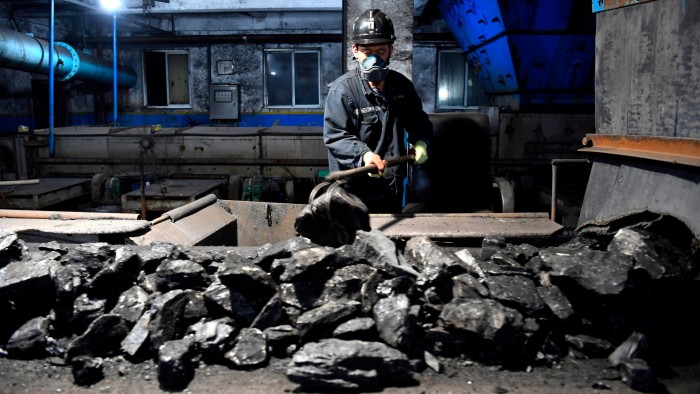
Despite the significant push toward renewable energy, China’s thermal power generation saw a 1.5 percent increase, predominantly fueled by coal. This uptick comes amidst rising electricity demands that have outstripped GDP growth for five consecutive years.
A major factor contributing to this increased energy demand is the rise of artificial intelligence. As AI technologies evolve and become more widely integrated, their energy consumption escalates. Similarly, automation across various sectors, including logistics and manufacturing, is driving further demand for electricity. The expansion of 5G networks, data centers, and cloud computing also adds pressure on the country’s energy resources. These energy-intensive sectors are crucial for China as it positions itself in relation to the United States.
The soaring demand for electricity has been beneficial for coal companies, with shares of China Shenhua Energy Company, the largest in the sector, climbing to a market value exceeding $100 billion.
Looking ahead, analysts predict that 2023 could be a pivotal year. They expect that by 2025, renewable sources will meet all new electricity needs, potentially curtailing the growth of coal-driven power. While this shift is favorable for environmental concerns, it may pose challenges for the coal industry’s future.
Historically, investments in renewable sources such as wind, solar, and hydropower struggled due to inadequate grid infrastructure, leading to rising curtailment rates — a measure of renewable energy not utilized because of grid limitations. These rates hit 4 percent for solar and wind earlier last year.
However, more than $800 billion has been earmarked for grid enhancements through 2030. These upgrades promise to improve transmission capacity and reduce energy losses, thereby unlocking additional renewable energy potential. In fact, last year, solar power capacity surged by approximately 50 percent, while wind power saw a growth of about 20 percent.
As these improvements take effect, investors are encouraged to consider local renewable energy stocks. Shares of China Shenhua have dropped by about 10 percent this year and are trading at nearly 10 times their expected earnings, significantly less than those of solar and wind companies, indicating a potential shift in market value.