

Welcome back to the Energy Source newsletter! Today, we bring you updates from Washington, where energy industry leaders anticipate significant policy changes with Donald Trump stepping into office.
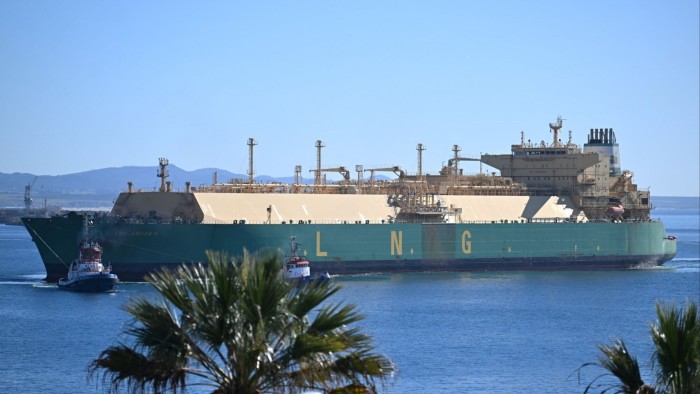
One of the initial changes to watch for is the lifting of the previous administration’s freeze on new liquefied natural gas (LNG) terminal approvals, as reported by my colleague Alexandra White. S&P Global estimates that LNG export capacity could double within the next five years, potentially injecting $1.3 trillion into the U.S. economy.
Another key issue currently in focus is the Biden administration’s sweeping sanctions against Russia’s energy sector, which have raised concerns for U.S. companies that maintain business ties with the country. Notably, pressure is increasing on SLB, the world’s largest oilfield services company, to exit Russia to avoid possible sanctions violations.
EU Methane Regulation: Balancing Climate Goals and Energy Needs
As industry leaders gathered in Berlin for a significant LNG conference, a major topic of discussion was the EU’s methane regulation and its possible effects on the region’s LNG import capabilities. Enacted last August, this regulation mandates importers to share comprehensive methane-related data regarding the fuels they import into the EU. Starting from May, there will be annual reporting, with future imports needing to meet specific methane intensity levels, while non-compliance could lead to hefty fines up to 20% of annual revenue.
Although the LNG sector acknowledges that methane significantly contributes to climate change, many believe the current regulations are vague and challenging to implement, which could impede European companies’ ability to import the fuel. Ralf Dickgreber from Engie stated that the intentions behind the methane regulation are commendable, but the complexities of compliance remain unclear at this point.
A significant challenge lies in collecting methane data from producers, as LNG facilities typically do not source gas from a single wellhead but rather from a mixed gas network. This complicates the ability to provide the detailed producer-level data that the EU regulation demands. Alex Kerr from Baker Botts points out that without this data, importers may struggle to finalize LNG sales agreements, particularly given the potential fines they could face.
Some stakeholders suggest implementing a certificate of origin system, similar to those used in renewable energy, to simplify compliance. However, the strict interpretation of the regulation as it stands currently requires tracking gas molecules back to their source, adding another layer of complexity.
Additionally, concerns have arisen over other environmental regulations being imposed by the EU. Qatar has indicated it may halt LNG shipments to the region if strict rules on carbon emissions and labor practices are enforced. Maria Rita Galli from Desfa, a Greek gas transmission operator, emphasized the need for Europe to remain cautious about imposing hurdles that could restrict LNG supplies, which might lead to future shortages.
Power Points
- The U.S. is anticipated to see a surge in natural gas power plant constructions as major tech companies seek fossil fuel sources to meet the rising power demand driven by artificial intelligence.
- Venture Global, a leading LNG exporter in the U.S., is looking to go public with an estimated valuation of $110 billion amidst expected growth in exports.
- EU shipyards are currently repairing Russian ice-class tankers, which allows the continued transport of gas through the Arctic, despite ongoing sanctions affecting the Russian energy sector.
Stay tuned for more updates on these critical energy topics!