

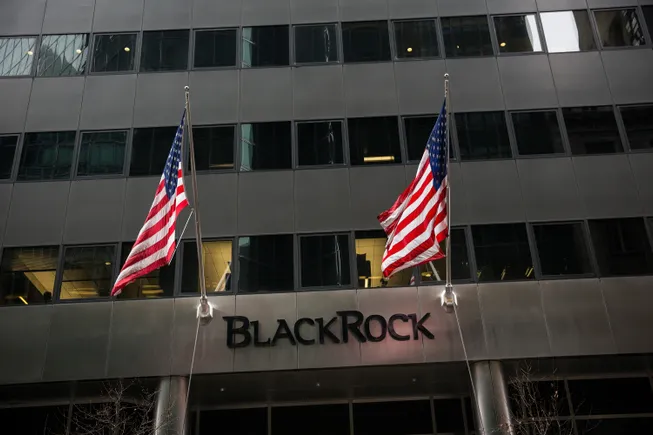
BlackRock Leaves Climate Initiative Amid Political Pressures
In a significant move, BlackRock has officially exited the United Nations-backed Net Zero Asset Managers (NZAM) initiative. This decision was confirmed by a spokesperson to ESG Dive, following a letter sent to clients by BlackRock’s Vice Chair, Philipp Hildebrand, and Global Head of Sustainable and Transition Solutions, Helen Lees-Jones.
This departure follows a trend of major financial institutions distancing themselves from climate-focused groups, especially under the influence of emerging political dynamics. Recently, several top U.S. banks, including six of the nation’s largest, withdrew from a related initiative called the Net Zero Banking Alliance, indicating a broader shift in the financial sector.
Currently, State Street remains the only one of the three largest asset managers still within the NZAM. In contrast, Vanguard had previously ended its membership in 2022.
Hildebrand and Lees-Jones noted that BlackRock’s involvement in NZAM was causing confusion regarding the firm’s practices and exposing it to legal scrutiny from various public officials. They emphasized that the NZAM participation did not alter how BlackRock managed its clients’ investments.
Despite the exit from NZAM, BlackRock reassured clients that its goals and methods for developing financial products and solutions would stay unchanged. “Our commitment to helping our clients achieve their investment goals remains unwavering,” the firm stated.
The NZAM initiative obligates its members to aim for net-zero alignment by 2050 or sooner, with around 325 asset managers currently involved, representing over $57.5 trillion in assets. However, the recent withdrawals, particularly from firms like JPMorgan and Bank of America, highlight a growing trend of financial entities reevaluating their commitments in light of political changes.
According to industry observers, the shift away from these climate alliances is driven by increasing scrutiny from stakeholders and regulators, as well as a changing political climate in the U.S. Following the recent elections, many financial institutions are anticipating a more hostile environment for climate-related policies and are looking to avoid drawn-out scrutiny and legal challenges in the future.