

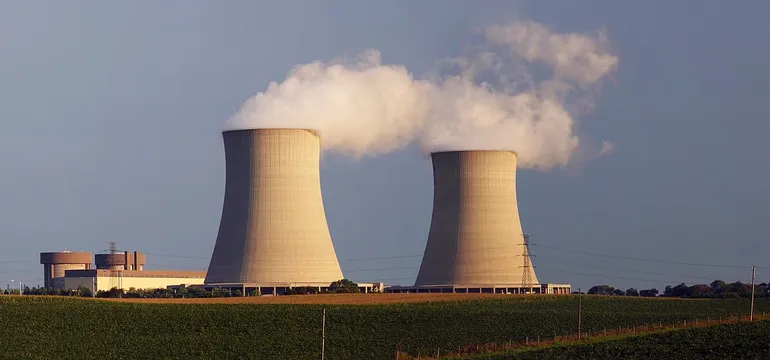
Constellation Energy announced its acquisition of Calpine in a significant deal valued at $16.4 billion. This merger of two major energy companies will create a powerhouse in the energy sector, with a combined capacity of nearly 60 gigawatts (GW) across various energy sources, including nuclear, natural gas, geothermal, hydro, wind, solar, cogeneration, and battery storage.
Following the announcement, the financial community reacted positively, with S&P Global Ratings highlighting that the new entity will emerge as the largest power generator in the U.S. However, concerns from investment banking firm Jefferies arose regarding potential market power issues and the likelihood of opposition due to the merger’s size.
Constellation’s stock surged approximately 20% in value after news of the merger broke. The deal, which involves the issuance of 50 million shares of Constellation stock along with $4.5 billion in cash, also entails the assumption of around $12.7 billion of Calpine’s net debt, bringing the net purchase price to approximately $26.6 billion.
Both companies emphasized that the merger will establish the cleanest and most reliable energy generation portfolio in the United States, with a wide array of low-emission generation assets. They noted a significantly enhanced presence in Texas—a crucial market for power demand—alongside other important states like California, Delaware, New York, Pennsylvania, and Virginia.
Joe Dominguez, President and CEO of Constellation, expressed confidence in the merger, stating that it will allow them to provide the broadest range of energy products and services. He also pointed out that Calpine’s natural gas plants would play a vital role in ensuring grid reliability as the transition to cleaner energy progresses. Meanwhile, Constellation plans to invest in expanding existing clean energy sources and exploring new nuclear projects.
The deal, set to close within a year, still requires approval from various regulatory bodies, such as the Federal Energy Regulatory Commission and the Public Utility Commission of Texas. Despite the potential hurdles, analysts view the merger as favorable due to the broad geographic and technological diversity of the combined company’s portfolio.
However, market power concerns remain a significant factor, with analysts from Jefferies highlighting that Constellation may have to propose limited asset sales to mitigate potential concentration issues. There is anticipation of strong interest in these proposed divestitures, but the approval process could be lengthy due to the increased scrutiny on power demand and regulatory challenges.