

Moldova has placed blame on Russia regarding a worsening energy crisis, as countless households in the eastern region of Transnistria are left in the cold and darkness after a recent gas transit agreement with Ukraine came to an end.
Transnistria, which is recognized as part of Moldova yet has been under the control of a pro-Russian separatist government since a short war in 1992, has relied on almost free Russian gas transported via Ukraine for many years. With the gas transit contract not extended for 2024, officials in central and eastern Europe have begun to search for other energy sources.
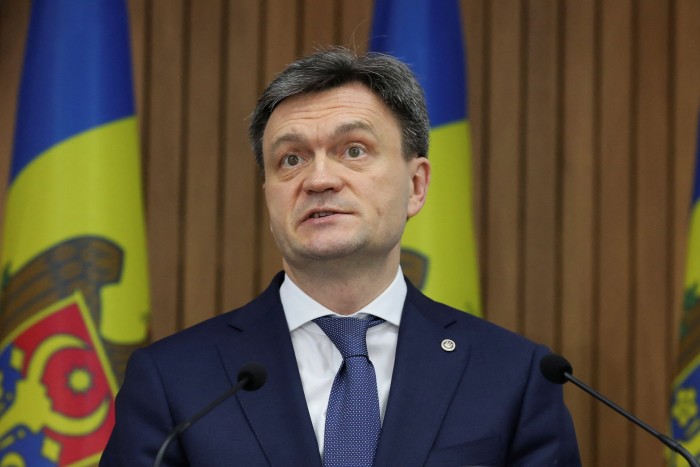
Prime Minister Dorin Recean stated, “Our government prepared the Moldovan right bank for this gas shortage,” referring to the area to the west of the Dniester River, controlled by Moldova’s pro-European government.
Since the invasion of Ukraine by Russia fully escalated in 2022, Moldova has been working to lessen its dependence on Russian gas by purchasing from spot markets, especially from Romania. Recean noted the country has faced higher energy costs, particularly for electricity, which is a challenge for many residents.
However, the population of Transnistria, a narrow strip of land on Moldova’s eastern border, has grown accustomed to enjoying energy at low prices. Since the gas transit ended, many have been forced to rely on firewood for heating and endure electricity shortages.
In response to the crisis, Transnistria’s main power plant has switched from gas to coal, but it’s running low, with only enough supplies for about 50 days unless energy consumption increases. Due to the current situation, schools in the region have remained closed after the holiday break, and authorities have enlisted soldiers to help gather firewood.
Recean explained that water supply interruptions had begun as well, indicating the breadth of the crisis. He expressed regret that Moldova is unable to assist the people of Transnistria, stating, “We offered help but it has been refused because Russia’s intent is to artificially create a humanitarian crisis and produce instability.”
Russia has denied causing the crisis, instead attributing it to Ukraine’s choice to halt the gas transit. Analysts suggest Russia might consider rerouting gas to Transnistria through Turkey. However, Gazprom has claimed that Moldova has outstanding debts and must settle these before receiving new gas supplies.
Moldova relies on imported fossil fuels for nearly all its energy needs, with gas accounting for 51% of its overall supply. The European Commission has described the situation as “very serious” and has urged the Transnistrian government to collaborate with Chișinău for the welfare of the local population.
In recent meetings, EU officials have discussed the impending gas supply cut, with plans to meet again soon to assess how the EU can provide further assistance on top of the existing €1.8 billion support package approved last October. Moldova’s power infrastructure has been synchronized with the EU’s since 2022, which allows the EU to step in during times of need.
As neighboring countries navigate their own energy needs in response to the gas supply challenges, Hungary has managed to secure gas supplies through Turkey, while Slovakia has openly criticized Ukraine for its decision not to renew the gas contract.
The unfolding situation highlights the complexities of energy dependence and geopolitical tensions in the region.