

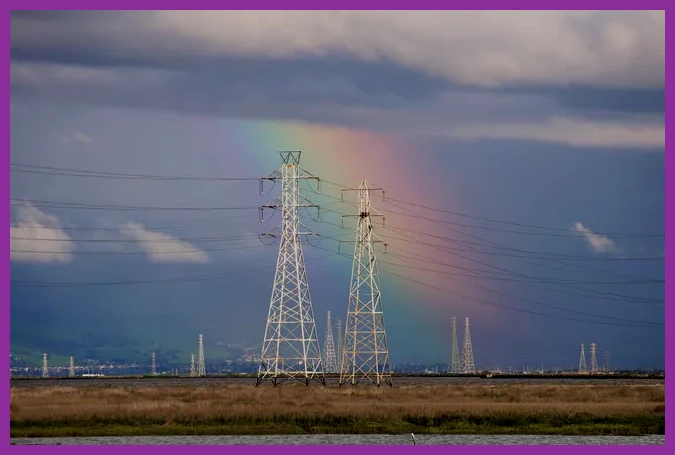
The power grid is experiencing its largest transformation since it was first established. New challenges are emerging that the grid isn’t fully prepared for. Traditionally, solutions involved expanding infrastructure to manage worst-case scenarios. However, this approach has proven to be slow and costly, leaving us unable to effectively cope with current demands. Richard Glick, a former FERC Chairman, emphasized that we need to maximize the efficiency of our existing grid instead.
To achieve this, the power and utility sectors can take inspiration from the tech industry by leveraging digital solutions. Tech companies often compete but also collaborate extensively through open technologies and standards. This collaboration spurs innovation and addresses challenges that individual companies might find daunting. Not only does it lead to better cybersecurity and interoperability, but it also decreases research and development costs. Organizations that embrace this collaborative spirit tend to find greater commercial success, as shared efforts can lead to increased opportunities for everyone involved.
Understanding Open Source
Open source refers to collaborative digital research and development, and it has become a cornerstone of modern technology. By creating open building blocks, similar to assembling Legos, various components can be adapted to tackle specific problems. In fact, open source software powers every website and is the foundation of Android phones. This sharing of technology has proven essential in today’s digital landscape.
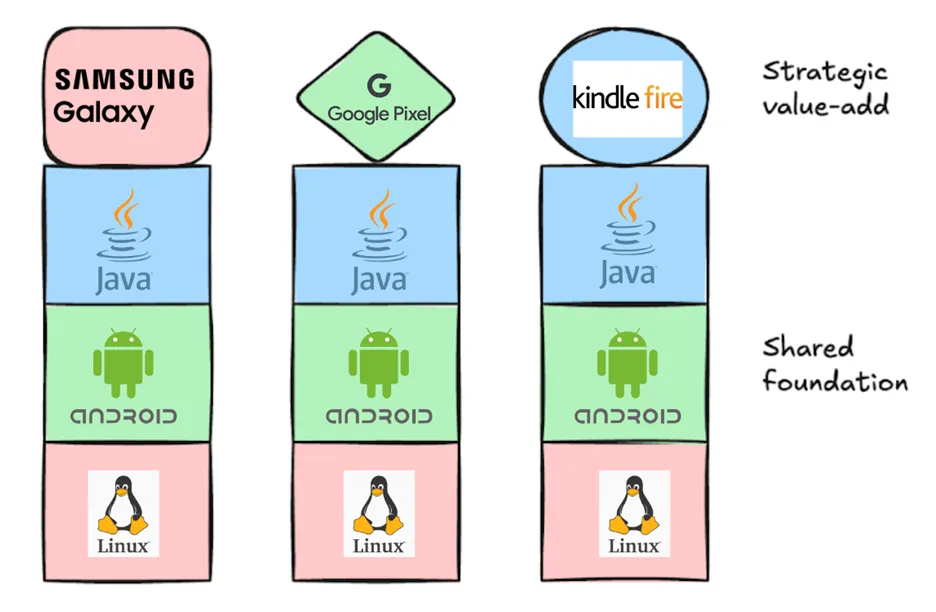
Examples of proprietary products built on open source building blocks
Permission granted by The Linux Foundation
The benefits of open source collaboration are vast. By pooling resources, the costs of research and development for individual stakeholders are reduced. This method accelerates innovation by utilizing input from multiple organizations. Systems become more interoperable when various stakeholders work together, while the public nature of open source ensures long-term maintainability. Moreover, transparency in open source enhances cybersecurity, as a community collectively identifies and solves vulnerabilities.
Open Source as a Procurement Strategy
Open source also presents a straightforward way for customers and vendors to collaborate, enabling faster product development. Utilities can work together towards shared goals, enhancing the overall industry market. The open nature of this collaboration means there’s no need for non-disclosure agreements or legal complexities.
Investments in the grid are typically long-term, with asset lifespans often exceeding 20 years, which can pose risks if vendors discontinue support. However, when a product relies on an open-source core, this risk is minimized. A new service provider can easily take over, ensuring the continued functioning of vital assets.
Utility companies work with complex digital systems that require the best components to function together seamlessly. Open source fosters this interoperability by establishing shared interfaces, creating a modular ecosystem where components can easily connect and work together.
Open Source as a Product Strategy
Although technology vendors might view open source with skepticism, many already utilize open source components within their products. Transitioning to an open-source product strategy can be challenging for some. Microsoft, for instance, struggled for years against Linux, only to later embrace it, realizing that while they might lose some revenue from Windows licenses, the overall value gained by providing additional services would fundamentally benefit their business.
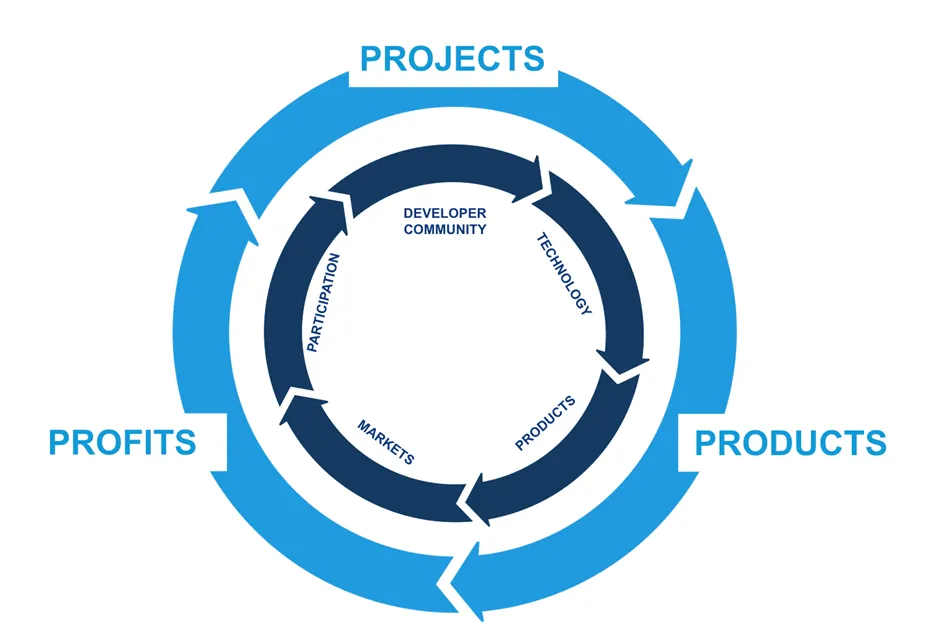
The open source virtuous cycle
Permission granted by The Linux Foundation
Real World Examples
Thanks to the advantages noted, open source solutions are being swiftly adopted by utilities globally. For instance, the TROLIE project establishes conformance standards and software ecosystems for transmission line rating exchanges, supporting compliance with FERC Order 881. It resulted from teamwork between GE Vernova and MISO and is now employed in GE Vernova’s operations.
Another example is FledgePOWER, a gateway for power systems based on Linux Foundation Edge. Commercialized by AVEVA, it aids the French transmission operator RTE in supporting communications while interacting with external systems.
Similarly, SEAPATH provides a secure, real-time digital foundation for deploying virtual protection and control applications in digital substations, developed with collaboration from various vendors in the field.
Getting Started
The strength of open source lies in its community. Several free resources are available through organizations like the Linux Foundation and LF Energy to help newcomers.
Ultimately, the energy transition is fundamentally a digital one. Open source serves as a pivotal tool to enhance interoperability, reduce long-term risks, and promote innovation across the board. By collaborating effectively, we can tackle complex challenges together.