

In this week’s edition, we bring updates from Houston and Lagos, focusing on energy developments and policy changes as Americans come back from the Thanksgiving holiday.
Amidst Donald Trump’s impending return to political power, the energy sector is keeping a close watch on his plans, particularly a proposed set of tariffs on Canadian oil imports. This proposal has raised concerns among US oil producers who warn it could lead to increased fuel prices for consumers.
While the spotlight is on Trump, there is also a significant conversation around Joe Biden’s energy initiatives. Analysts are examining the future of the ambitious $400 billion investment in green energy and semiconductors initiated by Biden’s Inflation Reduction Act, pondering whether this momentum for manufacturing can be sustained.
In Texas, energy bankers and legal experts are preparing for a major IPO by Venture Global, a liquefied natural gas firm that is likely to reap substantial benefits under the upcoming administration. This event could mark one of the largest flotations in the history of US energy companies.
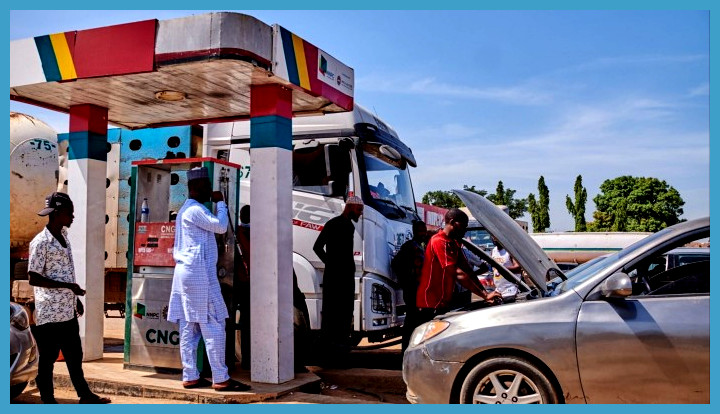
Shifting our focus to Nigeria, there is a significant policy push aimed at alleviating the burden of rising petrol costs for citizens. The Nigerian government is advocating for vehicle conversions to compressed natural gas (CNG) as part of the Presidential CNG Initiative (Pi-CNG), which was launched in August 2023.
Historically, Nigerian citizens have enjoyed the privilege of low petrol prices due to generous government subsidies. However, as these subsidies are gradually being phased out, petrol prices have more than quintupled, contributing to high inflation rates nearing three decades. This drastic change has inevitably led to increased transportation costs, causing food inflation to soar to about 39%.
To combat this issue, the Pi-CNG initiative aims to tap into Nigeria’s significant gas reserves—estimated at around 200 trillion cubic feet—making it the largest in Africa. The program has set a goal of converting 150,000 vehicles by the end of the year, with about 100,000 already transitioned. The ultimate aim is to convert one million vehicles by 2027.
Converting to CNG is touted to lower transportation costs by about 40%, with the current price of CNG sitting at roughly 230 Naira per litre compared to over 1,080 Naira per litre for petrol. With an investment of $200 million already allocated and another proposed $450 million for supporting conversion infrastructure, the government is providing incentives to businesses to get involved.
However, several hurdles remain. Nigeria has an estimated 12 million vehicles, yet fewer than 150 accredited conversion centers exist, mostly confined to major cities. Additionally, there are safety concerns among the populace regarding CNG vehicles, following incidents that have sparked fears of potential hazards.
As the government works to promote the program, widespread adoption remains uncertain. Many Nigerians are cautious about making the switch, citing safety and infrastructure doubts.
Stay tuned for more updates as we keep an eye on energy developments globally.