

Good morning! Today, let’s dive into the latest happenings in the energy sector, focusing primarily on the situation in Nigeria.
Recently, the Israeli military crossed into Lebanon, raising concerns about a possible larger conflict in the Middle East, which could involve Iran. Interestingly, despite this escalating tension, oil prices have shown little movement. Brent crude prices were steady on Monday and fell slightly by 2% on Tuesday, largely due to expectations that Libya may soon ramp up its oil production by nearly one million barrels per day.
Traders are currently optimistic that the growing conflict won’t heavily impact oil supplies from major producers in the region. Should there be any disruption, OPEC+ members, especially Saudi Arabia and the UAE, are viewed as having sufficient spare capacity to cover any shortfalls.
Last week saw Brent crude close down over 3% following reports that Saudi Arabia plans to increase its output starting December 1. Given the anticipated production increases and slower oil demand growth from China, prices may remain stable, even if tensions rise.
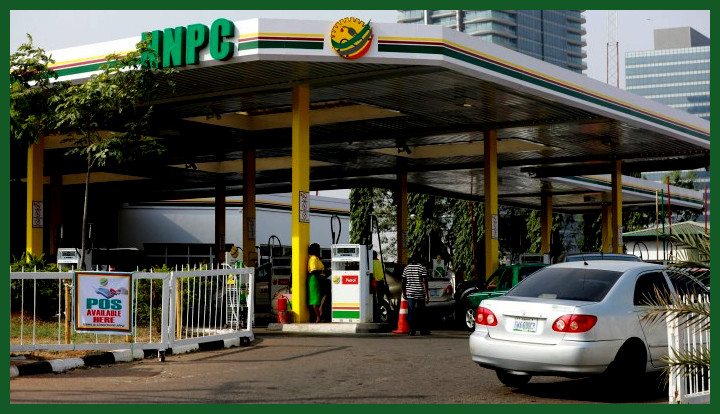
Turning our attention to Nigeria, a critical question arises: what should petrol prices be in the country now that the Dangote refinery is operational? For many years, Nigeria has enjoyed some of the lowest petrol prices globally due to heavy government subsidies, which have amassed to billions of dollars. However, this practice is now under serious scrutiny.
The fuel subsidies have resulted in significant financial strain on the government, with costs reaching around $10 billion in 2022 alone. These funds mean that the state-owned oil company, NNPC, has little to contribute to the national treasury. Moreover, economic data suggests that these subsidies mainly benefit wealthier urban residents who own cars or can afford generators, leaving vulnerable populations without essential support.
Pressure is mounting as many economic experts, including those from the IMF, advocate for a reduction in subsidies, arguing that they are unsustainable. Yet, the political climate makes addressing the issue tricky, as previous governments faced backlash when trying to change subsidy levels.
President Bola Tinubu’s unexpected decision to eliminate subsidies led to a threefold increase in fuel prices, which has further fueled inflation. Although this tough choice aligns with standard economic practices, the benefits remain uncertain, and many Nigerians are skeptical about how saved funds will be utilized.
As Nigeria moves forward, the arrival of the Dangote refinery might offer a glimmer of hope in stabilizing the petrol market. However, Dangote himself has emphasized that selling petrol at market rates is essential for the refinery to operate profitably, hinting at the complex interplay between politics and economics in Nigeria’s oil sector.
The quest for a clear and fair petrol pricing mechanism in Nigeria is urgent and holds significant implications for the country’s economy.
Stay tuned for further updates from the energy world!