

Hello and good morning from London! We’re back with the latest updates from the world of energy.
This past week, tensions in the Middle East have sharply increased oil prices, with Brent crude surpassing $80 a barrel for the first time since August. The impact isn’t limited to oil, as natural gas prices are also climbing. The European benchmark price for natural gas, known as the Title Transfer Facility, has surged nearly 23% since mid-September following Israel’s actions against Hezbollah.
Despite Europe being relatively prepared for winter with its gas storage, concerns loom over potential interruptions in liquefied natural gas (LNG) supplies from Qatar. Since cutting off pipeline gas imports from Russia after the invasion of Ukraine, Europe has become increasingly reliant on LNG, which now fulfills about a third of its gas needs, with 10% sourced from Qatar.
In response to soaring prices, traders are redirecting LNG shipments from Asia to Europe. Recently, Bloomberg reported three LNG tankers that changed their routes from China and South Korea to head towards European ports.
Russia’s LNG ‘Dark Fleet’ Activities
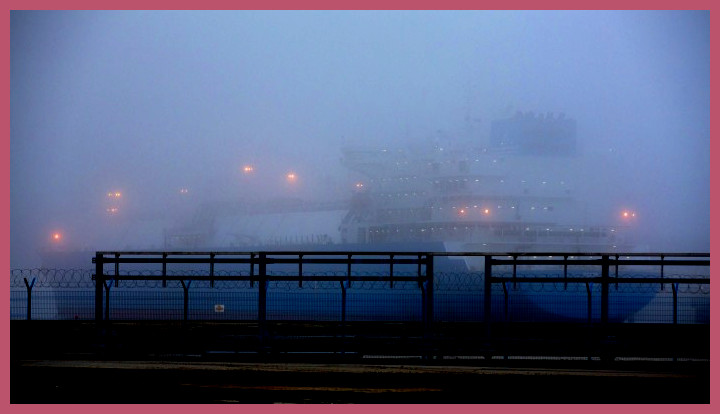
Today’s main piece focuses on Russia’s controversial “dark fleet” of LNG tankers. These vessels are becoming more active as Russia looks to bypass Western sanctions and get its liquefied natural gas to market. Since early August, there have been eight suspected shipments from Arctic LNG 2, which is crucial for boosting Russia’s LNG output but faces heavy sanctions.
Current sanctions have effectively deterred many prospective buyers, leaving shipments either in limbo or stored away. This situation has led these vessels to adopt tactics that obscure their actual destinations. For example, the Pioneer, the first ship to load from Arctic LNG 2, was initially believed to be transferring its cargo to another ship, Nova Energy, in the eastern Mediterranean. However, it was later revealed that the Pioneer was still carrying its full load of LNG when passing through the Suez Canal in late September.
Another vessel, Nova Energy, which was also involved in a fake transfer operation, has displayed similar behavior, creating confusion about the source and destination of its cargo. Analysts suggest these maneuvers are designed to create uncertainty about Russian LNG sales, complicating tracking efforts.
Monitoring the dark fleet’s activities involves utilizing satellite imagery and transponder signals, but total accuracy is challenging due to various factors, including cloud cover. Despite these difficulties, experts warn that Russia’s attempts to discreetly move LNG to obscure buyers will likely continue.
This ongoing situation emphasizes the complexities of global LNG trading and the lengths some entities will go to in evading sanctions. As this dynamic situation unfolds, analysts believe that innovative tactics will keep emerging within the LNG market.
Stay tuned for further updates as we track these developments in the energy sector.